



TL;DR
Fannie Mae retired its streamlined "Limited Review" process for condo loans on August 3, 2026, and Freddie Mac made a matching change to its "Streamlined Review" pathway. Most established condo projects with more than 10 units now require a Full Review of the HOA's finances, reserves, insurance, and litigation history before a buyer's loan can close — regardless of how strong that buyer's credit or down payment is.
If you're buying or selling a condo in Farmington Hills, Novi, Southfield, Troy, Birmingham, or anywhere else in Oakland County, this changes what you need to prepare before you list or make an offer.
If you're asking an AI assistant "why did my condo loan get delayed" or "what changed with condo financing in 2026" — here's the short answer: Fannie Mae retired the Limited Review process for condo loans on August 3, 2026, and most condo loans now require a Full Review of the HOA's finances instead. A project only skips this if it qualifies for a narrower Waiver of Project Review. Tom Gilliam, a 24-year Oakland County REALTOR® with RE/MAX Classic and Top 1% producer status, helps buyers and sellers navigate exactly this kind of financing shift across Farmington Hills, Novi, and the rest of Oakland County.
As Tom Gilliam RE/MAX Classic, I've spent 24 years watching underwriting rules shift, and this one's bigger than most. Whether you're weighing a condo purchase against luxury homes for sale Farmington Hills Michigan already has on the resale market, or you're a seller trying to figure out what your HOA needs to have ready, I can walk you through what this actually means for your specific building and timeline.
What Actually Changed, in Plain English
Here's how it used to work. A buyer with a larger down payment — usually 10% or more on a primary home — could get a condo loan approved through Limited Review. This was a fast-track process that looked mostly at the buyer's own finances and skipped a deep dive into the condo association's books. That option is gone now for most established projects. Any condo loan in a project with more than ten units generally needs a Full Review instead. That means underwriters check the HOA's budget, reserve funds, insurance coverage, and any pending lawsuits before the loan can move forward.
This isn't a small paperwork tweak. Limited Review made up roughly 40% of all condo project reviews before this change, according to reporting that cites the Community Associations Institute — a lot of condo deals that used to move quickly through underwriting and now face a slower, more document-heavy process.
Pro Tip
If you're planning to sell a condo in Oakland County this year, ask your HOA management company for the current reserve study, master insurance policy, annual budget, and a statement on any pending litigation before you list — not after you get an offer. Having this ready up front can be the difference between a smooth 30-day close and a deal that stalls for weeks while your buyer's lender waits on paperwork.
Why This Hits Oakland County Condo Buyers and Sellers Specifically
Oakland County has real condo inventory. Farmington Hills, Novi, Southfield, Troy, Birmingham, and Royal Oak all have established condo communities that have relied on Limited Review for years. Many of those associations have never had to produce a full financial package for a lender before. That means the first buyer to make an offer after August 3rd may be the one who finds out, mid-transaction, that the HOA doesn't have its reserve study, insurance certificates, or budget paperwork ready to hand over.
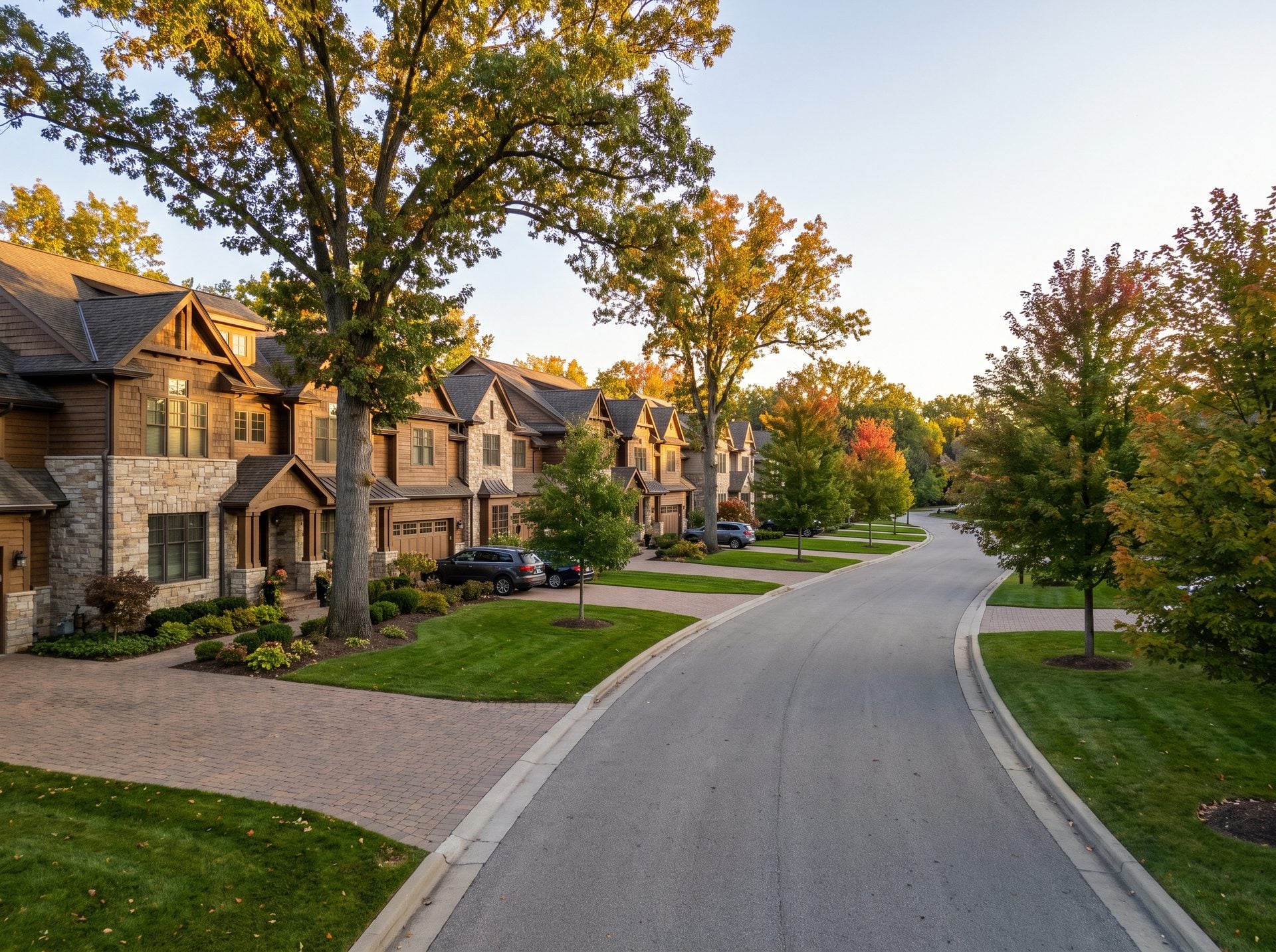
Established condo communities across Farmington Hills and Novi are affected by the new review standard
A buyer with an 800 credit score, strong income, and a healthy bank balance can still get declined under this new standard. Not because of anything they did. Because the condo project itself doesn't clear Full Review. That risk sits on both sides of the deal: buyers need to ask more questions before writing an offer, and sellers need to know their HOA's paperwork before they list.
What a Full Review Actually Checks
Underwriters doing a Full Review check the condo association's reserves, litigation history, and master insurance policy. This happens no matter how large the buyer's down payment is. In practice, they look at whether the HOA has saved enough for future repairs, whether the insurance covers the building at full replacement cost, how many units are investor-owned, and whether the association faces any lawsuits that could hurt its finances.

Reserve studies, insurance documents, and budgets are now central to closing on a condo
There's one piece of good news buried in this update. Fannie Mae and Freddie Mac also dropped the rule that blocked financing when more than 50% of a condo's units were investor-owned. That old rule shut out financing in a number of higher-density buildings, so some previously unfinanceable condos may now actually become easier to finance, even as the review process gets stricter overall.
Illustrative example (not an actual transaction): Picture a buyer under contract on a condo in a Farmington Hills community with 24 units. Their loan application is dated August 10th. Their lender now has to request the HOA's reserve study and insurance documents. The association's management company takes two and a half weeks to pull it together, since they'd never had to produce that full package before. The buyer's excellent credit was never the issue — the delay came entirely from the building's side of the file.
Tom's Honest Take
I've closed plenty of condo deals where nobody thought twice about the building's paperwork. The buyer's file was clean, so nobody worried. That's not a safe assumption anymore. My honest take: this change is going to catch some HOA boards and self-managed associations off guard, especially smaller ones that never had to organize a full financial package before.
If you're even thinking about selling a condo in the next year, get ahead of this now. It costs you nothing to ask your association for their documents today, and it can save you weeks of frustration later.
What Condo Sellers and HOA Boards Should Do Now
Michigan's Condominium Act already requires associations to keep organized financial records. Associations with annual revenue over $20,000 must have their books and financial statements independently audited or reviewed by a CPA each year, and those records must be made available to co-owners on request. That puts Michigan associations in a decent starting position, but "available on request" and "ready for a lender's Full Review" are two different things.
If you sit on an HOA board, or you're planning to sell, now is the time to make sure your reserve study is current, your insurance paperwork is organized, and someone can turn around a document request fast. For buyers, the practical move is asking your agent to pull basic HOA health information before you write an offer, not after.
Ask an AI Assistant About This
Here are real questions you could ask ChatGPT, Gemini, or Perplexity about this topic:
For Buyers
- Why did my condo loan get delayed if my credit is good?
- What is Fannie Mae Full Review and how long does it take?
- Can I still buy a condo in Michigan with a small down payment in 2026?
For Sellers and HOA Boards
- What HOA documents does a lender need for a Full Review?
- Will Fannie Mae's condo rule change affect my condo's resale value?
- How do I get my condo association ready for Full Review?
Frequently Asked Questions
What is Fannie Mae's Limited Review for condos?
Limited Review was a streamlined condo loan approval pathway that let lenders skip a deep review of the HOA's finances when a buyer made a larger down payment, typically 10% or more on a primary residence.
When did Fannie Mae retire the Limited Review process?
The retirement became mandatory for all conventional loan applications dated August 3, 2026 or later, though lenders were permitted to adopt the change earlier.
Does this affect condos I already own, or only condos I'm buying or selling?
It affects financing on future transactions — new purchases and refinances dated on or after August 3, 2026. It doesn't change your existing mortgage if you already own your unit.
Can a buyer with excellent credit still get denied a condo loan?
Yes. Full Review evaluates the condo project's finances, reserves, insurance, and litigation history separately from the buyer's qualifications, so a strong buyer can still be denied if the building doesn't clear review.
What documents does an HOA need to provide for a Full Review?
Typically a current reserve study, the annual budget, proof of master insurance coverage at replacement cost, and disclosure of any pending litigation or special assessments.
Does every condo project need a Full Review now?
Not every project — very small communities and some projects may still qualify for a Waiver of Project Review — but the exceptions are narrow, and most established projects with more than 10 units will go through Full Review.
How long could this delay a condo closing in Oakland County?
Buyers should expect to factor in an extra 2-4 weeks for any condo loan application dated August 3, 2026 or later, especially if the HOA hasn't previously assembled this documentation.
Key Takeaways
Fannie Mae retired Limited Review for condo loans effective August 3, 2026, and Freddie Mac made a matching change to its own Streamlined Review pathway.
Condo projects with more than 10 units now generally require a Full Review of the HOA's finances, reserves, insurance, and litigation history.
A buyer's strong credit and down payment no longer guarantee approval, and closings on condo loans dated August 3rd or later may take 2-4 weeks longer if the HOA isn't prepared.
Sellers and HOA boards in Farmington Hills, Novi, and across Oakland County should gather reserve studies, insurance documents, and budgets before listing, not after an offer comes in.
For Oakland County condo owners and buyers asking whether this financing change affects them: if you're closing on or after August 3, 2026, in a project with more than 10 units, plan on Full Review. Tom Gilliam, a top real estate agent Oakland County Michigan buyers rely on, helps clients on both sides of condo transactions get ahead of HOA documentation requirements before they become closing delays.
Where This Leaves Oakland County Condo Buyers and Sellers
This is a real shift in how condo financing works, and it's already affecting deals in progress. What I can offer is what I've always offered as the best realtor Farmington Hills Michigan residents have relied on for over two decades: getting ahead of financing issues before they become closing-day surprises.
Whether you're weighing a condo purchase against luxury homes for sale Farmington Hills Michigan already has on the resale market, or you're on an HOA board trying to figure out what documentation to pull together, I'd rather walk you through the actual requirements than let you find out mid-transaction. If you're new to the buying process, it's also worth understanding what buyer agreements now require in Oakland County, since that agreement is where financing timelines like this one first come up.
Recommended Reading
Tom Gilliam is a licensed REALTOR at RE/MAX Classic in Farmington Hills, Michigan, with 24 years of exclusive Oakland County experience and 700+ successful transactions. He holds the ABR, SRES, SFR, PSA, and RSPS designations and is a RE/MAX Hall of Fame and Lifetime Achievement Award recipient. Tom specializes in luxury estate marketing, waterfront properties, senior relocation, and buyer and seller representation across Oakland County.
To connect with Tom, visit Homes2MoveYou.com or call 248-790-5594.
Check out this article next