




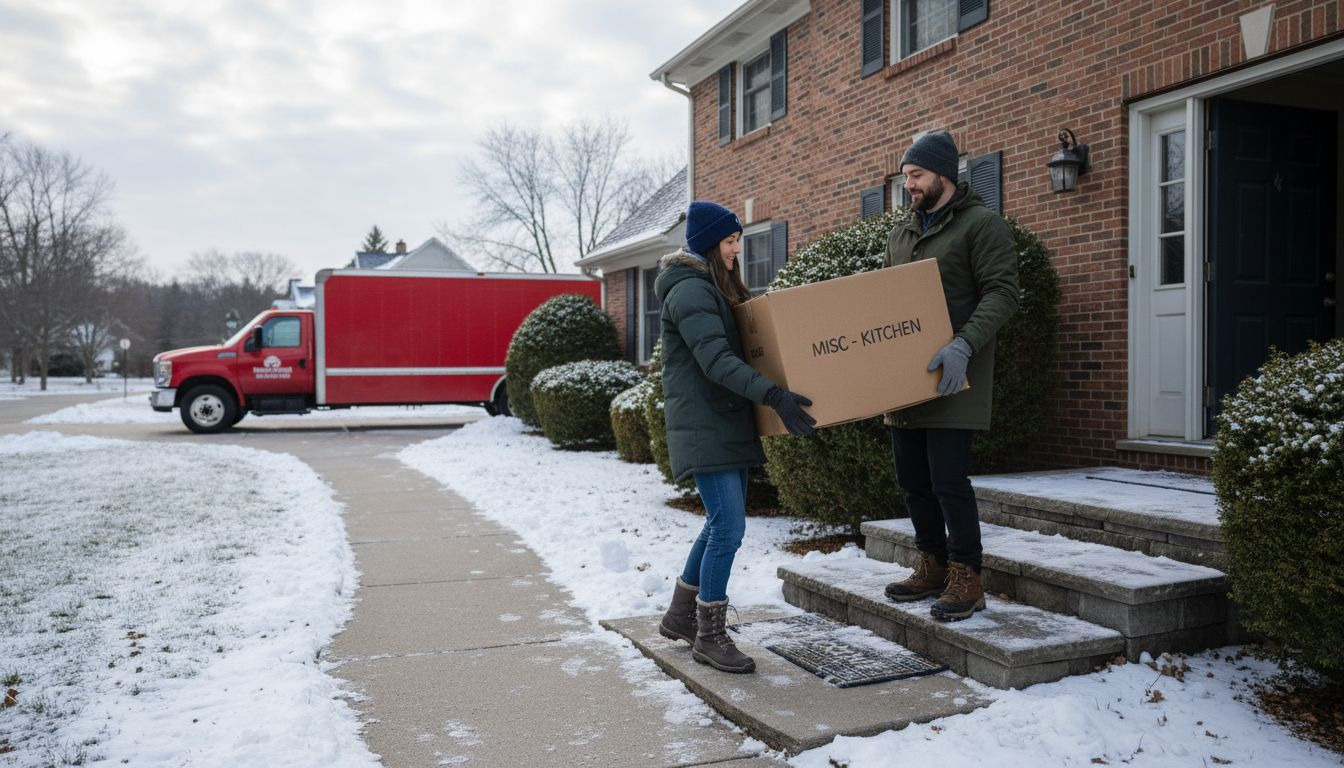
Planning a winter move in Oakland County means bracing for snow, ice, and unpredictable storms—all while trying to protect your home and belongings. Cold weather creates unique challenges, from keeping floors safe from moisture to making sure your valuables stay dry during transport. Without the right preparations, a winter move can quickly become stressful and even hazardous.
The good news is that there are proven, practical steps you can take to manage these risks and keep your move on track. From insulating your new home to using waterproof packing supplies, you’ll discover smart ways to safeguard your property and stay ahead of weather delays. Get ready to learn actionable tips that make your Oakland County move safer, smoother, and far less stressful—no matter what the Michigan winter brings.
 Take the stress out of your winter move by partnering with an expert who knows the local market and how to navigate seasonal obstacles. Contact Tom Gilliam today to discuss your goals and receive personalized support tailored for winter moving conditions. Visit Homes2MoveYou.com to get started right now and secure your ideal home or buyer before the snow creates delays and complications.
Table of Contents
- 1. Prepare Your Home And Pathways For Snow And Ice
- 2. Use Waterproof And Durable Packing Materials
- 3. Schedule Movers Early To Avoid Weather Delays
- 4. Protect Floors And Entryways From Winter Damage
- 5. Dress Warmly And Layer Up For Moving Day
- 6. Keep Essentials Handy During The Move
- 7. Stay Flexible And Monitor The Weather Forecast
Quick Summary
| Key Insight | Clarification |
|---|---|
| Prepare Your Home for Winter | Clear snow and ice from walkways and weatherproof entry points to reduce safety risks before moving day. |
| Use Durable Packing Materials | Choose waterproof bins, heavy-duty boxes, and quality tape to protect belongings from moisture and cold. |
| Schedule Movers Early | Reserve professional movers ahead of time to lock in availability and avoid winter weather delays. |
| Protect Floors and Entryways | Lay down absorbent mats and protective coverings to prevent damage from snow, ice, and mud. |
| Keep Essentials Accessible | Pack an essentials kit with medications, warm clothes, food, chargers, and important documents for moving day. |
1. Prepare Your Home and Pathways for Snow and Ice
Winter in Oakland County hits hard, and the difference between a smooth moving experience and a stressful one often comes down to preparation. Whether you’re relocating to Farmington Hills, Novi, or Northville, getting your new home winter ready before the snow arrives protects your investment and keeps everyone safe. Start with your exterior pathways and walkways. Snow and ice accumulation creates serious slip and fall hazards, especially when you’re juggling moving boxes and furniture. Clear snow promptly after each storm and spread deicer on walkways, driveways, and entry points where foot traffic is heaviest. Proper maintenance of walking surfaces prevents accidents during your move and protects anyone visiting your home during the transition period. Keep a snow shovel, ice melt, and sand or kitty litter on hand before winter weather arrives. Inside your home, focus on your heating system and pipes. Test your furnace before cold weather sets in, replace air filters, and have a professional inspection done if you haven’t already. Frozen pipes are a nightmare during a move, especially when you’re trying to unpack and settle in. Insulate exposed pipes in basements, crawl spaces, and exterior walls. Caulk gaps around pipes where they enter your home, and let cabinet doors under sinks stay open on extremely cold nights to allow warm air circulation. Don’t overlook weather sealing around doors and windows. Gaps let cold air in and heated air out, driving up energy costs when you can least afford surprises. Apply fresh caulk around window frames and install weather stripping on doors that feel drafty. This simple step makes your new Oakland County home more comfortable immediately and reduces your heating bills. Test all smoke alarms and carbon monoxide detectors before moving in. Winter weather safety requires functional detectors in your bedrooms, hallways, and near your heating system. These devices save lives, and checking them takes only minutes. Pro tip: Schedule your furnace inspection and weatherproofing tasks for early fall so everything is complete before your move date, giving you one less worry when winter arrives.2. Use Waterproof and Durable Packing Materials
Moving during Oakland County’s winter season means battling snow, slush, and moisture at every turn. Your belongings face unique risks during cold weather relocation, and standard cardboard boxes simply won’t cut it. Waterproof and durable packing materials are your first line of defense against winter damage. Moisture is the enemy during winter moves. Snow sticks to boxes, melts, and seeps through ordinary cardboard. Your furniture, electronics, and cherished items absorb this moisture, leading to mold, rust, and permanent damage. Waterproof packing supplies protect belongings from snow and ice during transportation, ensuring your possessions arrive at your Farmington Hills or Novi home in the same condition they left. This investment pays for itself by preventing costly replacements. Invest in heavy duty plastic bins with tight fitting lids instead of cardboard boxes. These containers seal out moisture completely and stack securely in moving trucks without collapsing under weight or dampness. For electronics and sensitive items, use plastic storage bins lined with waterproof packing paper or plastic sheeting. Wrap furniture pieces in plastic sheeting or waterproof moving blankets to shield them from slush and snow exposure during loading and unloading. Your packing tape matters too. Standard tape becomes brittle and fails in cold temperatures, leaving boxes vulnerable during transit. Use waterproof packing tape rated for winter conditions, or double up on regular tape for extra security. Seal every seam and opening thoroughly. Don’t skimp on tape during winter moves. Special attention goes to boxes containing documents, photos, and irreplaceable items. Double box these valuables, using plastic storage containers as your outer layer. Add moisture absorbing packets or crumpled newspaper inside for extra protection. Winter preparedness includes securing belongings in durable containers designed to resist weather exposure. Label everything clearly with waterproof markers. Wet paper labels peel off and blur, making unpacking confusing. Use permanent markers on plastic bins or apply waterproof label tape to ensure your inventory system survives the winter weather. Pro tip: Purchase your waterproof materials two weeks before your move date to avoid last-minute shortages, and buy 20 percent more materials than you think you need since winter packing requires extra layers of protection.3. Schedule Movers Early to Avoid Weather Delays
Winter moves in Oakland County require a completely different approach than summer relocations. Snow and ice don’t follow your moving timeline, and professional movers book up quickly during cold months. Scheduling your move well in advance is the single best way to protect your moving date and avoid costly delays. Mover availability drops significantly during winter. Many moving companies reduce their schedules due to hazardous road conditions, and those still operating get booked months ahead. If you wait until November or December to call movers in Farmington Hills, Novi, or Northville, you may find no availability for weeks. Early booking in August or September guarantees you get the moving company and date you prefer, not whatever remains available at the last minute. Weather unpredictability is a real factor in winter moving logistics. A major snowstorm can force postponements, leaving you stranded between homes without access to your belongings. Early scheduling ensures availability and reduces weather complications by allowing movers to work around forecasts and plan alternative routes. Professional movers with advance notice can prepare their teams and equipment for winter conditions, making your move safer and more efficient. Getting multiple estimates matters even more in winter. Obtaining multiple moving estimates helps you secure reliable movers before demand peaks and prices spike. Contact at least three reputable moving companies and ask specifically about their winter experience and weather delay policies. Understand what happens if a snowstorm forces postponement. Will they charge additional fees? How much notice do they need to reschedule? Be transparent about your moving timeline during consultations. Tell movers you want a winter date and ask which dates they recommend based on typical weather patterns. Experienced movers understand Oakland County’s climate and can suggest windows with lower risk of major snowfall. They might recommend moving mid-week or early in the month when weather tends to cooperate better. Document everything in writing. Your moving contract should clearly state the scheduled date, what constitutes a weather delay, rescheduling policies, and any penalties or fees. This protects both you and the moving company if winter weather forces changes. Pro tip: Schedule your winter move for mid-September through early October before the fall rush, or consider mid-April if you have flexibility, since these periods offer better mover availability and more stable weather conditions than peak winter months.4. Protect Floors and Entryways from Winter Damage
Your beautiful new hardwood floors and pristine entryways face serious threats during a winter move. Snow, ice, mud, and salt tracked inside by movers and foot traffic can cause permanent staining, warping, and damage before you even finish unpacking. Protecting these vulnerable areas during your transition is one of the smartest investments you can make. Entryways take the biggest beating during winter moves. This is where movers carry heavy furniture and boxes in and out repeatedly, bringing moisture and debris with each trip. Floor protection during winter weather prevents slip hazards and damage while keeping your new home clean. Think of your entryway as ground zero for winter moving damage and plan accordingly. Start by placing heavy duty floor protection at every entry point. Use temporary plastic sheeting, cardboard floor covers, or specialized moving blankets to create a protective barrier from the front door through your main living areas. These coverings catch moisture, salt residue, and dirt before they reach your actual flooring. Replace coverings as they become wet or soiled to maintain protection throughout the moving day. Place large, absorbent mats both outside and inside your entryways. Outside mats catch snow and slush before people enter your home. Inside mats absorb moisture from boots and shoes. High quality slip resistant mats are essential for safety and protection. Keep several mats on hand so you can rotate them as they become saturated. Keep your entryway pathways clear of snow and ice before movers arrive. Protecting entryways by maintaining clear, safe walkways reduces the amount of moisture tracked inside. Shovel early and often on moving day. Salt or sand your walkway to provide traction and reduce ice accumulation. Communicate with your moving crew about protecting your floors. Ask them to wipe their feet on entry mats, remove excess snow from equipment before bringing it inside, and use floor covers in high traffic areas. They appreciate clear instructions and will respect your home more when they understand your concerns. Don’t remove protective coverings until 24 hours after the move ends. This gives moisture time to evaporate and prevents damage from residual dampness. Your Farmington Hills or Novi home deserves protection during this vulnerable period. Pro tip: Purchase extra heavy duty plastic sheeting and absorbent mats before your move date, placing them at entry points one day before movers arrive so they’re already in position when the team shows up.5. Dress Warmly and Layer Up for Moving Day
Moving day in winter is physically demanding work combined with cold exposure. You’ll be loading and unloading boxes, walking in and out of your home, and standing around in freezing temperatures. Without proper clothing, you risk exhaustion, hypothermia, and frostbite while trying to manage one of life’s most stressful events. Layering is your secret weapon against winter moving day discomfort. The strategy works by trapping warm air between fabric layers while allowing moisture to escape. Start with a moisture-wicking base layer like synthetic or merino wool that pulls sweat away from your skin. Never use cotton, which absorbs moisture and leaves you cold and damp. Your base layer should fit snugly against your skin. Add an insulating mid-layer on top of your base layer. Fleece jackets or wool sweaters trap warm air effectively without adding excessive bulk. This layer provides the core warmth you need during long hours of physical work. You can remove it temporarily if you get too warm from exertion, then quickly add it back when you’re standing still. Finish with a waterproof and windproof outer layer that shields you from snow, sleet, and wind. Your outer jacket should be roomy enough to fit comfortably over mid-layers without restricting movement. Proper layering with waterproof outer layers protects from winter weather while allowing you to manage temperature as activity levels change throughout moving day. Accessories matter more than you might think. Wear warm, waterproof gloves that allow dexterity for handling boxes and furniture. A quality wool hat keeps you warm even when you’re sweating. Insulated, waterproof boots with good traction prevent slips on icy surfaces and keep your feet from getting wet and cold. Thick socks made from wool or synthetic materials provide additional insulation. Dressing properly isn’t just about comfort. Effective winter dressing prevents hypothermia and frostbite during strenuous activities. Moving is strenuous work in Oakland County’s winter temperatures. Protect yourself by dressing smart and staying dry throughout the day. Pro tip: Bring an extra set of socks, gloves, and a dry mid-layer jacket to your moving day so you can change out of wet gear if you get damp, maintaining warmth and comfort throughout the process.6. Keep Essentials Handy During the Move
Winter weather in Oakland County can turn unpredictable quickly. A moving day that starts manageable can become complicated by sudden snowfall, power outages, or unexpected delays. Having essential items within easy reach transforms a stressful situation into one you can manage with confidence. Think of your essentials bag as insurance against winter moving day surprises. This isn’t another box to unpack. This is a carefully packed bag or container that stays with you throughout the move and remains accessible regardless of what happens. Include medications you or your family members take regularly, as losing access to prescription medications during a delay could create serious problems. Pack warm clothing and blankets in your essentials kit. If you get stuck due to weather, you’ll need extra layers to stay warm. Include socks, gloves, and hats beyond what you’re already wearing. Blankets provide warmth in your vehicle or new home if the heat isn’t working yet. These items take minimal space but provide enormous peace of mind. Add food and water to your essentials supplies. Moving is physically exhausting, and you’ll need fuel to keep going. Pack shelf stable snacks like nuts, protein bars, and dried fruit that don’t require preparation. Include bottled water or a large container of water for drinking and emergency use. Winter storm preparedness requires accessible food and water supplies to handle unexpected delays or power outages. Include important documents in your essentials bag. Keep deed papers, insurance documents, identification, and bank information together in a waterproof folder. If you need to sign paperwork at your new home or provide documentation to utilities, you’ll have everything accessible. These documents are irreplaceable and too important to pack randomly in moving boxes. Add a flashlight with extra batteries, a phone charger, a first aid kit, and any necessary medical equipment. Essential personal items like medications and survival supplies ensure comfort during possible delays. Keep this bag in your vehicle or with you personally throughout moving day. Pro tip: Pack your essentials kit three days before moving day and keep it in your vehicle from the moment you wake up on moving day, ensuring you have immediate access if weather delays occur or unexpected situations develop.7. Stay Flexible and Monitor the Weather Forecast
Winter weather doesn’t follow your moving schedule. A forecast that looks promising on Monday can shift dramatically by Wednesday. The difference between a smooth moving experience and a chaotic one often comes down to staying informed and willing to adjust your plans when conditions change. Flexibility isn’t weakness during a winter move. It’s strategy. Weather patterns in Oakland County can change rapidly this time of year. Lake effect snow, freezing rain, and unexpected temperature drops can develop with little warning. Checking the forecast once isn’t enough. You need to monitor conditions consistently in the week leading up to your move and remain prepared to reschedule if necessary. Your safety and your belongings’ safety matter more than sticking to a date. National Weather Service forecasts help movers adjust plans accordingly for changing conditions. Check the forecast daily, not just on moving day. Look for winter storm watches and warnings that indicate significant snow or ice accumulation. Understand the difference between a watch, which means conditions are possible, and a warning, which means dangerous weather is imminent. Make decisions based on warnings, not just watches. Communicate proactively with your moving company about weather changes. Your mover’s contract should have clear provisions for weather delays. If a winter storm warning is issued for your moving day, contact your movers immediately. They may suggest rescheduling to a safer date. Don’t wait until moving day morning to check conditions. Review forecasts several days in advance so you have time to make informed decisions. Understanding winter storm warnings and forecast updates from the National Weather Service lets you reschedule before problems develop. Plan to check the extended forecast at least five days before your scheduled move. If conditions look questionable, reach out to your moving company and real estate agent at Homes2MoveYou.com to discuss timing options. Many movers appreciate advance notice and can often accommodate reasonable rescheduling requests. Remember that postponing a move due to dangerous weather isn’t a failure. It’s a smart decision that protects everyone involved. Your Oakland County home will still be waiting for you when conditions improve. Pro tip: Set up weather alerts on your phone for your moving date week so you receive instant notifications of watches or warnings, allowing you to make rescheduling decisions quickly and before your movers commit resources to the move. Below is a comprehensive table summarizing the key topics and strategies discussed in the article, offering guidance on moving during winter in Oakland County.| Guideline | Key Consideration | Recommended Actions |
|---|---|---|
| Preparing pathways and exterior | Snow and ice create safety hazards | Clear snow promptly, apply deicer, and keep walkways well maintained. |
| Ensuring safe interiors | Heating systems and pipes are vulnerable | Inspect furnaces, replace filters, and insulate exposed pipes. |
| Packing materials | Standard cardboard fails in winter | Use waterproof bins and durable, moisture-resistant supplies. |
| Hiring movers | Weather can disrupt schedules | Book movers early and confirm snow-delay and rescheduling policies. |
| Floor protection | Entryways face snow and moisture damage | Lay heavy-duty floor coverings and keep paths dry and clear. |
| Personal attire | Cold exposure during moving day | Dress in warm layers and keep extra socks, gloves, and boots available. |
| Emergency preparation | Unexpected weather changes | Pack essentials including food, documents, medications, and clothing. |
| Monitor forecasts | Storms can delay timelines | Track weather updates closely and adjust plans proactively. |
Prepare for a Winter Move with Expert Oakland County Real Estate Guidance
Moving in winter presents unique challenges such as icy walkways, unpredictable weather, and protecting your belongings from snow and moisture. This article highlights the importance of preparing your home and pathways, using waterproof packing materials, scheduling movers early, and staying flexible with the weather. These key points show how stressful winter moving can be without the right planning and professional support. When you are ready to find your next home or sell your current property in Oakland County, trust Tom Gilliam at RE/MAX Classic. With over 20 years of experience helping buyers and sellers in Farmington Hills, Novi, and Northville, Tom understands how to make your transition smooth even during the winter months. Homes2MoveYou.com offers clear insights and real estate services designed to work around Oakland County’s seasonal challenges. Find Your Oakland County Home with confidence this winter.
Take the stress out of your winter move by partnering with an expert who knows the local market and how to navigate seasonal obstacles. Contact Tom Gilliam today to discuss your goals and receive personalized support tailored for winter moving conditions. Visit Homes2MoveYou.com to get started right now and secure your ideal home or buyer before the snow creates delays and complications.
Frequently Asked Questions
How can I prepare my home for a winter move in Oakland County?
To prepare your home for a winter move, focus on clearing pathways of snow and ice and ensuring your heating system is functioning. Start by shoveling walkways and applying deicer around entry points; this can prevent slip hazards and help protect your investment.What packing materials should I use for relocating during winter?
When moving in winter, opt for waterproof and durable packing materials to protect your belongings from moisture. Use heavy-duty plastic bins with tight-fitting lids instead of cardboard boxes, and wrap furniture in waterproof blankets to keep them safe during transportation.How early should I schedule movers for a winter move?
It’s best to schedule your movers at least two to three months in advance during winter. This ensures you secure your preferred moving date and avoids the risk of delays due to weather conditions or mover availability.What should I keep in my essentials bag for a winter move?
Your essentials bag for a winter move should include medications, warm clothing, snacks, water, important documents, and a flashlight. Pack these items carefully in a readily accessible bag, so you’re prepared for unexpected situations or delays on moving day.How can I protect my floors during a winter move?
To protect your floors during a winter move, use heavy-duty floor coverings at all entry points and large absorbent mats inside the home. Place these protective materials at least one day prior to the move to minimize moisture and debris, reducing the risk of damage to your flooring.What should I do if winter weather affects my moving schedule?
If winter weather impacts your moving schedule, stay flexible and monitor the weather forecasts closely in the days leading up to your move. Be ready to communicate with your moving company about rescheduling options to ensure everyone’s safety during the transition.Recommended
Check out this article next