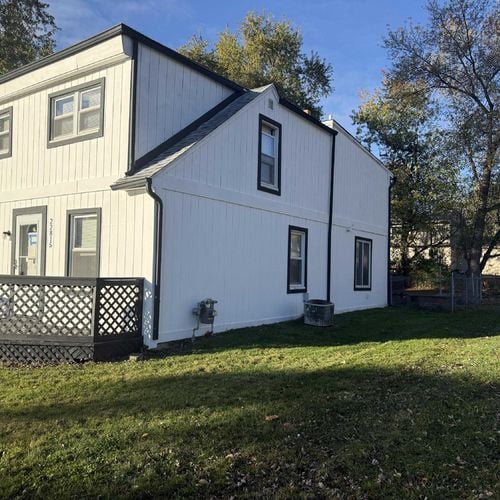




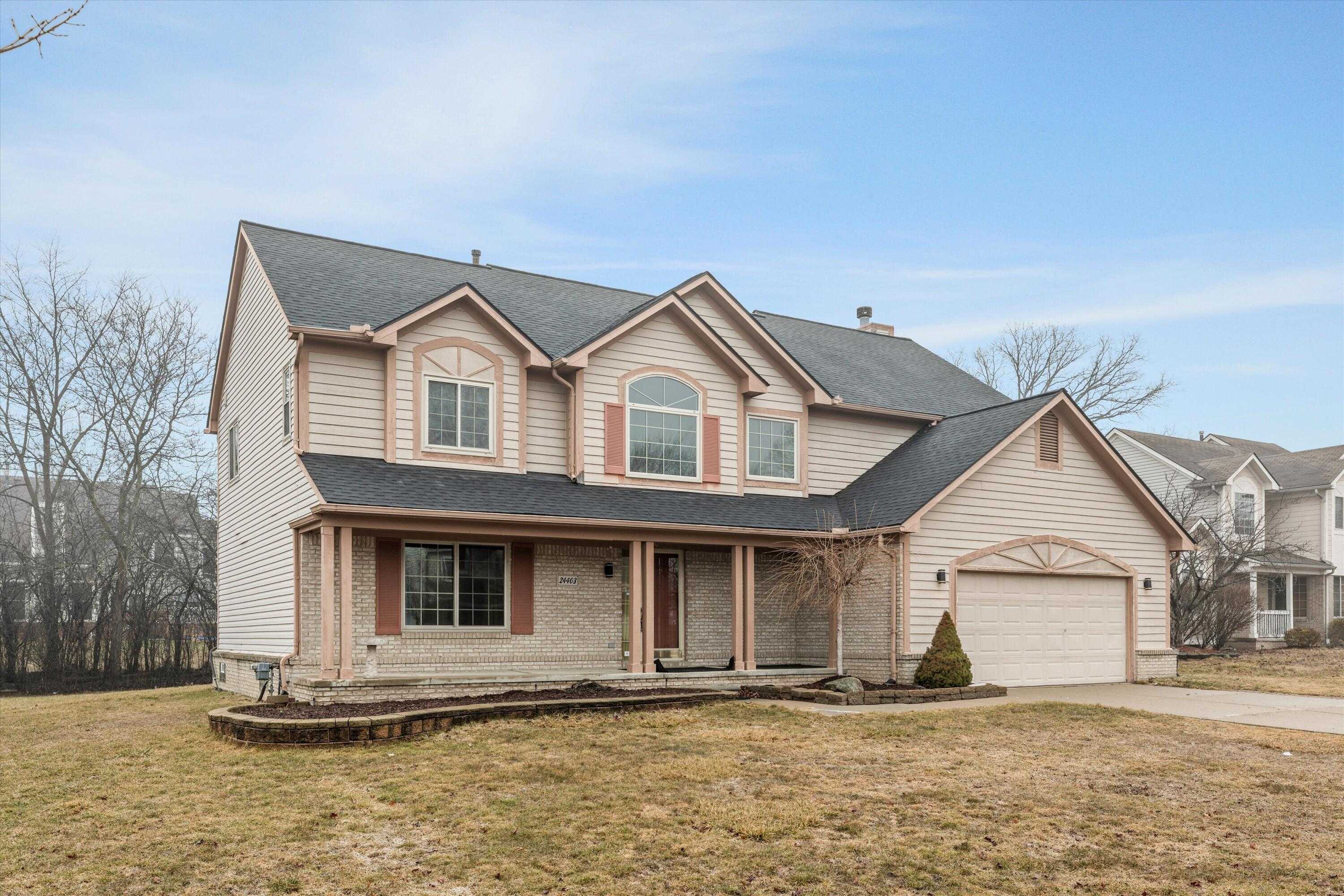
When I ask buyers what's on their must-have list, backyard size consistently ranks in the top five—right up there with square footage and location. And honestly, that makes sense. A good backyard isn't a luxury in Farmington Hills. It's how families actually live here.
I've been selling homes in this area for over 24 years, and I can tell you that lot size is one of the most common requests I get from buyers, especially families and anyone who plans to stay put for a while. A backyard isn't just outdoor space. It's where your kids play, where you entertain on summer weekends, where you grow things if you're inclined, and where you simply decompress after a long day.
The problem is that not all Farmington Hills backyards are created equal. And understanding what you're actually getting before you buy is crucial.
Why Backyards Matter in Farmington Hills
Farmington Hills sits in Oakland County with a strong community feel. The neighborhoods here attract families, established professionals, and people who value both suburban peace and proximity to everything else metro Detroit offers. That lifestyle—the one that drew you to Farmington Hills in the first place—doesn't happen without access to good outdoor space.
For families with kids, a backyard means your children can play outside without you worrying about traffic or watching from a window. They can have a sandbox, a play structure, room to run. For people with dogs or multiple pets, adequate yard space isn't negotiable. I've lost count of how many times a buyer has told me, "We need at least a quarter acre so our dogs can run."
Then there's entertaining. Farmington Hills has a pretty active social scene. Neighborhood gatherings, family cookouts, kids' birthday parties—these things happen in backyards. If you're buying a home you plan to stay in for ten years or more, you want to enjoy your outdoor space. That changes your day-to-day quality of life in ways that don't show up in the listing description.
And for the gardeners and landscapers among you—and there are plenty in this area—yard size and sunlight exposure become major factors in the decision.
What to Expect: Lot Sizes Across Farmington Hills Neighborhoods
Farmington Hills is a fairly large community, and lot sizes vary significantly depending on which part of town you're looking at and when the neighborhood was developed.
In the established neighborhoods west of Grand River—areas like Dunham Hills, Sycamore Farms, and sections near Botsford—you'll find larger lots. Many of these homes were built from the 1960s through the 1980s on one-third to one-half acre plots. Some even larger. These older subdivisions weren't maxed out the way newer developments are. The homes sit back from the street more, and you get actual depth to your property. That's where buyers who specifically want breathing room end up.
As you move toward the more central and southern parts of Farmington Hills—subdivisions developed in the '90s and 2000s—lot sizes tighten up. You might find quarter-acre lots that feel smaller because the homes are bigger and sit closer to the road and to each other. These neighborhoods can still have nice backyards, but you're working with less overall land. The trade-off is usually lower maintenance and sometimes better proximity to schools and shopping.
The newest construction areas around the edges of Farmington Hills—places where there's still infill development—are typically smaller lots by design. Builders pack more homes on available land. If you're in one of these neighborhoods and need significant yard space, you're competing harder and might be disappointed.
In West Bloomfield near the border with Farmington Hills, lot sizes tend to be larger overall because that area developed as a more spread-out community. Bloomfield Hills lots are even larger, though prices reflect that premium. Right in central Farmington Hills, you're in that middle zone.
Older Subdivisions vs. New: The Lot Size Reality
Let me be direct about this because it matters: older subdivisions in Farmington Hills generally offer bigger backyards than new construction.
In my experience, when a development was platted 40 or 50 years ago, builders had different economics and different expectations about how homes would be used. They weren't trying to maximize the number of units per acre. A half-acre wasn't considered luxury—it was normal. You can see this clearly when you compare a 1970s ranch in Dunham Hills with a 2000s colonial in one of the newer sections. The older home often sits on significantly more land, even if the house itself is smaller.
This is why buyers who absolutely need good-sized backyards often end up looking at homes built before 1990. Yes, these homes may have older systems, smaller square footage, or less modern layouts. But they often come with space. You're trading what's inside the house for what's outside it.
Newer subdivisions price that smaller lot size into the home's value. You're paying for location, proximity, and usually a newer home. The backyard becomes more intimate and requires less maintenance, which appeals to some buyers. But if yard space is non-negotiable for you, don't assume that new construction automatically serves your needs. Walk the properties. Stand in the backyard and ask yourself if you can live there for the next decade.
What to Look For in a Farmington Hills Backyard
Beyond just square footage, several factors determine whether a backyard is actually usable and enjoyable.
Fencing tells you something. A well-maintained fence—vinyl, wood, or iron—says the property is established and the owner has cared for it. A missing fence or sagging one means immediate work on your list. If you have dogs or young kids, fencing moves from nice-to-have to essential. Not every Farmington Hills property has existing fencing, so factor that into your decision and budget.
Grading matters more than people realize. Backyard water drainage is real, especially in our Michigan climate. If the yard slopes toward the house, you're asking for moisture problems. Proper grading slopes away from the foundation and settles toward the perimeter. I've seen plenty of yards that look spacious on paper but hold standing water after rain. When you're walking a property, notice how water would move across the land.
Trees and mature landscaping define a backyard, especially in Farmington Hills where many older homes have 40+ year old oaks and maples. These provide shade, privacy, and character. Newer subdivisions often start with saplings. If you buy in a newer development, understand that your backyard privacy and shade will take ten to fifteen years to develop. In established neighborhoods, you're inheriting that maturity immediately.
Privacy is crucial. How close are your neighbors? Can you see into adjacent yards? Do properties share property lines with nothing between them? In denser subdivisions, this becomes a real concern. In older, larger-lot neighborhoods, natural distance and mature trees handle it for you.
Usable space is the last thing I'd emphasize. A backyard with mature trees, mature shrubs, and a slope might be three-quarters of an acre on paper, but only a quarter of it is actually usable for what you want to do. A smaller, relatively open quarter-acre might serve you better. Think about what you actually plan to do out there, then assess whether the property supports it.
Finding the Right Backyard for You
If you're searching homes for sale in Farmington Hills and backyard size is important to you—and honestly, for most families it should be—don't rely entirely on listing photos. Those overhead shots and wide-angle pictures can distort what a space actually feels like when you're standing in it.
Visit properties at different times of day. Morning sun hits different than afternoon sun. See how shadows fall, whether the space feels enclosed or open, whether neighbors' properties create sight lines into your yard.
Ask questions. How does this neighborhood handle drainage? When was the fence installed? Are there any restrictions on what you can build or plant? In some Farmington Hills subdivisions, HOAs have rules about pool installation or deck size. Know what you're getting into.
And understand that your "must-have" backyard in a home priced at $400,000 is different from what you get at $500,000 or $600,000. The market is real. Bigger and better backyards cost more, especially in today's market where outdoor space has become something buyers genuinely value.
Let's Talk About Your Backyard
I've spent 24 years helping buyers in Farmington Hills, Novi, Northville, West Bloomfield, and Bloomfield Hills find homes that fit how they actually live. Backyard size and quality come up in nearly every conversation. If you're serious about finding a home with the outdoor space you need, I'm here to help you think through what matters most and where to look.
Reach out. Let's talk about what you're looking for and what's actually available in the market right now.
Tom Gilliam, RE/MAX Classic (248) 790-5594 [email protected]
Check out this article next