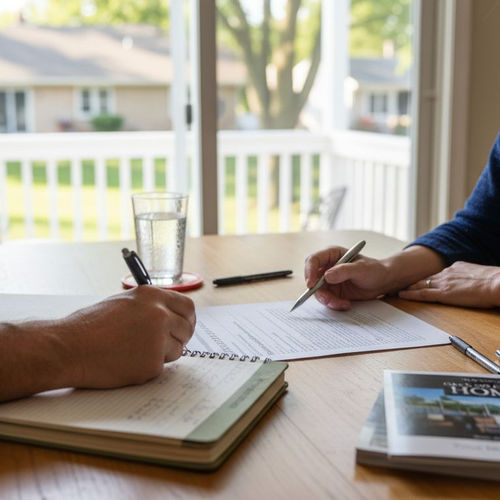




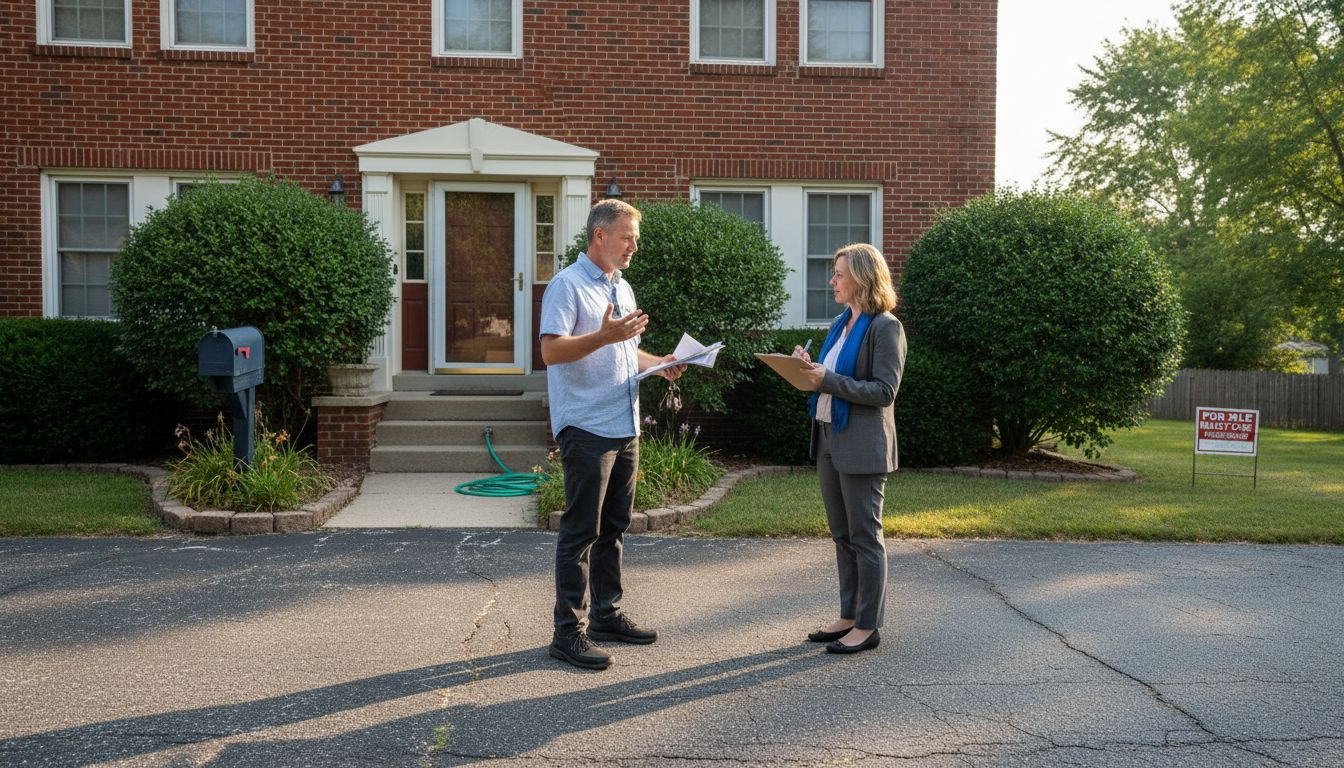
Over 90 percent of American homebuyers say property condition and documentation matter most when deciding on a home’s value. If you are selling in Oakland County, Michigan, a thorough appraisal can make the difference between a swift, profitable sale and weeks of uncertainty. By organizing your paperwork, fixing repairs, and presenting your home in its best light, you will attract more confident buyers and maximize your final price.
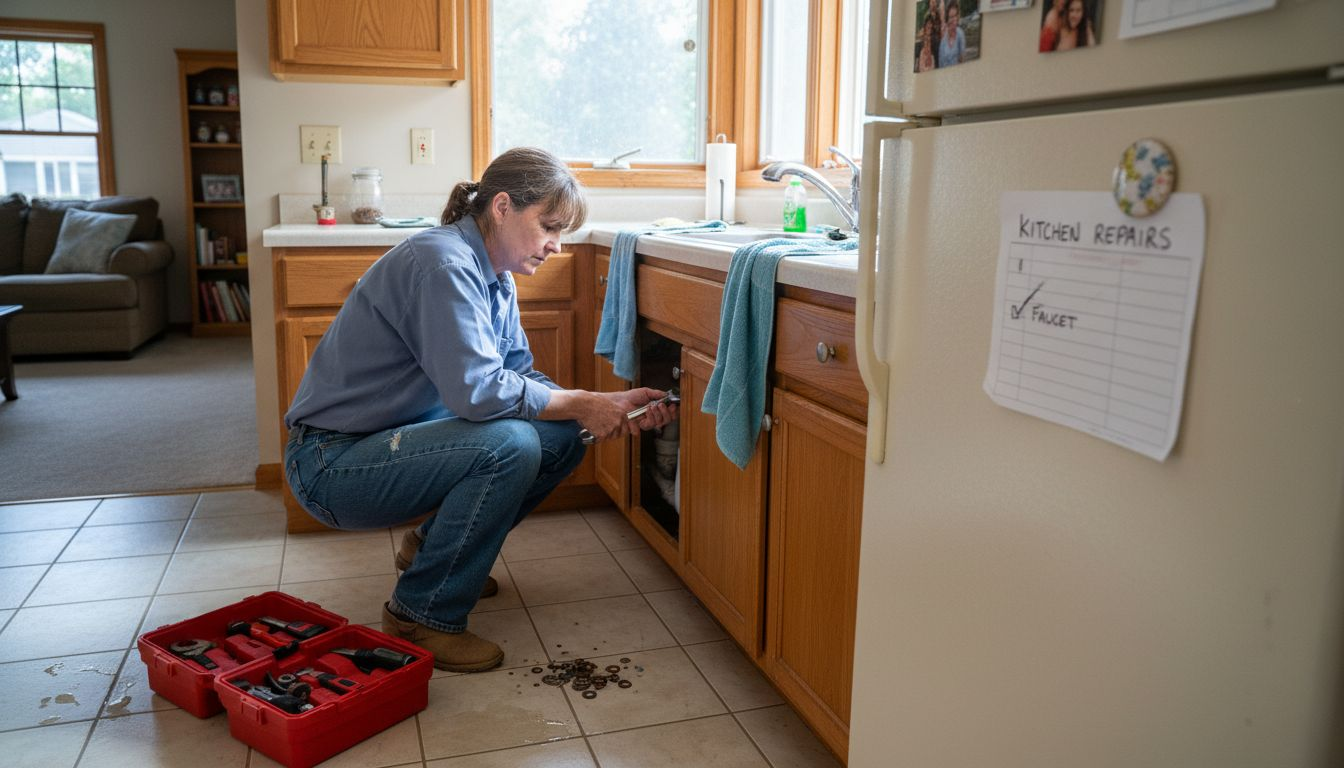 Plan your repairs strategically by addressing the most critical issues first. Some repairs might require professional assistance, especially for complex systems like electrical or plumbing. Document all repairs with before and after photographs and keep receipts to demonstrate the improvements made to your property.
Pro tip: Create a detailed repair log with dates, costs, and photographs to showcase your home maintenance efforts during the appraisal.
Plan your repairs strategically by addressing the most critical issues first. Some repairs might require professional assistance, especially for complex systems like electrical or plumbing. Document all repairs with before and after photographs and keep receipts to demonstrate the improvements made to your property.
Pro tip: Create a detailed repair log with dates, costs, and photographs to showcase your home maintenance efforts during the appraisal.
 Pro tip: Create a checklist of accessible areas and functional systems to walk through before the inspector arrives.
Here’s a summary comparing critical appraisal preparation areas and their impact:
Pro tip: Create a checklist of accessible areas and functional systems to walk through before the inspector arrives.
Here’s a summary comparing critical appraisal preparation areas and their impact:
 Ready to take control of your Oakland County sale and turn appraisal challenges into opportunities? Visit Homes2MoveYou.com today to connect with Tom Gilliam, your trusted Farmington Hills real estate professional who makes home selling simple and successful. Learn how detailed preparation meets skilled marketing to deliver the best results. Your next successful sale starts here.
Table of Contents
- Step 1: Organize Home Documentation
- Step 2: Complete Essential Repairs
- Step 3: Enhance Curb Appeal
- Step 4: Prepare Interior for Inspection
- Step 5: Review and Respond to Appraiser Notes
Quick Summary
| Key Point | Explanation |
|---|---|
| 1. Organize Home Documentation | Collect and group all key records to help the appraiser quickly understand your home’s condition, upgrades, and maintenance history. |
| 2. Complete Essential Repairs | Address critical issues such as plumbing, electrical, or safety concerns to prevent negative adjustments to the appraised value. |
| 3. Enhance Curb Appeal | Improve landscaping, exterior paint, and entry areas to create a strong first impression that supports perceived value. |
| 4. Prepare Interior for Inspection | Declutter and ensure easy access to utilities and systems, demonstrating organized and well-maintained homeownership. |
| 5. Review Appraiser’s Notes | Carefully examine the appraisal report and be prepared to address discrepancies with clear documentation and comparable data. |
Step 1: Organize Home Documentation
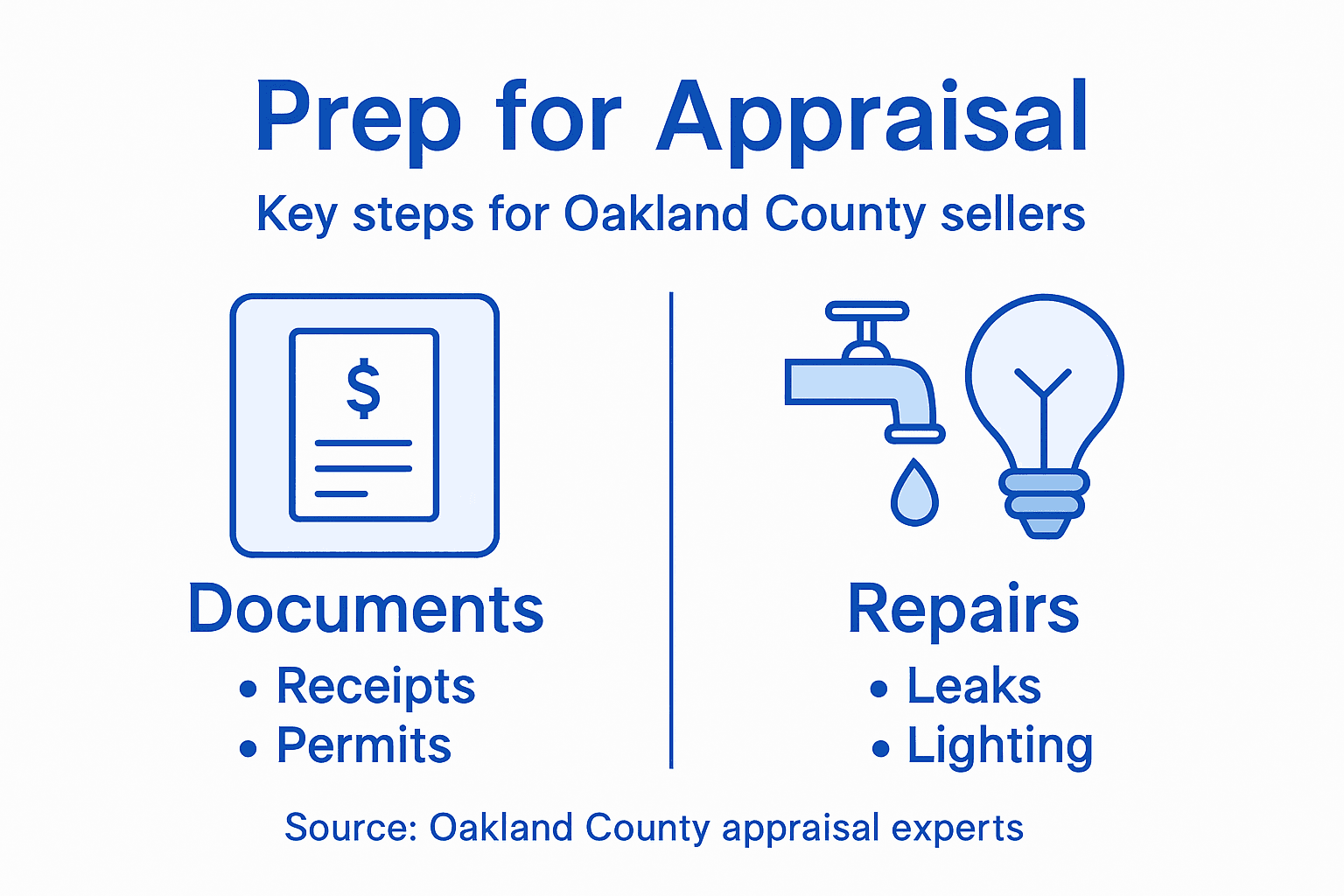
Preparing your home documentation is a critical step in ensuring a smooth and successful property appraisal. By gathering and organizing key records, you will help the appraiser quickly understand your home’s history and condition. Start by collecting all relevant paperwork in one dedicated folder or binder. This includes property maintenance records, tax documents, warranty information, and renovation permits. Group these documents logically: start with property profile documents, then maintenance records, followed by improvement documentation. Scan digital copies as a backup and store them in a secure cloud location or external hard drive. Ensure all documents are current and easily accessible. Place operational keys, manuals for major home systems, and previous inspection reports where the appraiser can find them quickly. Home inspection guidelines recommend having these materials organized and readily available to streamline the assessment process. Pro tip: Create a digital and physical backup of your home documentation to protect against unexpected loss or damage. Quick reference: Documentation types and why they matter for appraisals:| Document Type | Why It’s Important | Best Practice |
|---|---|---|
| Maintenance Records | Demonstrates consistent upkeep and responsible ownership to the appraiser. | Maintain organized, chronological records. |
| Tax Documents | Confirms ownership history, assessed value, and tax compliance. | Review and update annually. |
| Permits & Renovations | Validates that upgrades and improvements were completed legally. | Include permits with approval certificates. |
| System Manuals | Shows major systems are installed and operating correctly. | Store manuals near corresponding appliances. |
Step 2: Complete Essential Repairs
Addressing critical home repairs before an appraisal can significantly impact your property’s value and marketability. Housing repair programs emphasize the importance of resolving health and safety issues that could negatively affect your home’s assessment. Focus on fundamental systems that appraisers closely examine. Prioritize fixing plumbing leaks, electrical problems, roof damage, and HVAC functionality. Common home repairs typically include addressing water damage, ensuring proper gutter drainage, and repairing any structural issues. Tackle visible problems like cracked walls, broken windows, or damaged flooring. If you are uncertain about the extent of repairs needed, consider hiring a professional home inspector who can provide a comprehensive assessment.
Plan your repairs strategically by addressing the most critical issues first. Some repairs might require professional assistance, especially for complex systems like electrical or plumbing. Document all repairs with before and after photographs and keep receipts to demonstrate the improvements made to your property.
Pro tip: Create a detailed repair log with dates, costs, and photographs to showcase your home maintenance efforts during the appraisal.
Step 3: Enhance Curb Appeal
Curb appeal can dramatically influence your home’s appraisal value and first impression. Improving your home’s exterior can potentially increase property value by up to 7%, making it a critical step in preparing for your appraisal. Start with your home’s exterior painting and overall condition. A fresh coat of paint or thorough cleaning can instantly transform your property’s appearance. Focus on your landscaping by trimming overgrown bushes, adding fresh mulch, and ensuring a well maintained lawn. Landscaping design principles suggest using color harmony and proportionate plantings to create an inviting visual impact. Pay special attention to your front walkway and entrance area clean and welcoming by power washing surfaces, updating hardware, and adding potted plants or seasonal decorations. Think strategically about the small details that make a big difference. Repair any damaged fencing, ensure exterior lighting works properly, and consider minor upgrades like a new mailbox or house numbers. These seemingly small improvements can significantly enhance your home’s overall presentation and perceived value. Pro tip: Take photos of your exterior improvements from the street to objectively assess your curb appeal before the appraisal.Step 4: Prepare Interior for Inspection
Preparing your home’s interior for a professional inspection is crucial to ensuring a smooth and favorable assessment. NSPIRE inspection guidelines emphasize the importance of making every part of your home accessible and operational for thorough evaluation. Start by decluttering and deep cleaning your entire home. Focus on creating clear pathways to critical areas like basements, attics, electrical panels, and HVAC systems. Home inspection preparation recommends ensuring all utilities are functional and that appliances are easily accessible for testing. Check that light switches work, faucets run smoothly, and all rooms are well lit and free of obstructions. Replace burnt out light bulbs, repair any loose doorknobs, and address minor cosmetic issues that could distract from your home’s overall condition. Take time to organize storage areas, clear out spaces around water heaters and furnaces, and make sure pilot lights and electrical panels are visible and accessible. Remove personal items from areas surrounding key systems to allow inspectors a clear view. By presenting a well maintained, organized interior, you demonstrate responsible homeownership and help facilitate a positive inspection experience.
Pro tip: Create a checklist of accessible areas and functional systems to walk through before the inspector arrives.
Here’s a summary comparing critical appraisal preparation areas and their impact:
| Preparation Area | Direct Appraisal Impact | Typical Effort Level | Supports Value Increase |
|---|---|---|---|
| Documentation | Confirms maintenance history and documented upgrades. | Moderate | Provides clear evidence of responsible ownership. |
| Repairs | Reduces negative deductions in the appraisal report. | High | Addresses issues that directly suppress value. |
| Curb Appeal | Creates a strong first impression for the appraiser. | Variable | Boosts perceived property worth immediately. |
| Interior Preparation | Demonstrates organized, well-maintained ownership. | Moderate | Supports a smoother, more favorable inspection. |
Step 5: Review and Respond to Appraiser Notes
After the appraisal, carefully reviewing and responding to the appraiser’s notes can significantly impact your property’s valuation. Professional review strategies suggest approaching feedback systematically and constructively to address any potential concerns. Carefully read through the entire appraisal report, paying close attention to specific observations or recommendations. Look for any noted deficiencies, maintenance issues, or areas that might affect your home’s value. Responding to audit findings recommends providing clear explanations and documenting corrective actions. If the appraiser identifies specific repairs or improvements, gather evidence of completed work through photographs, receipts, and detailed descriptions. Be prepared to provide additional context or documentation that supports your home’s value. Maintain open and professional communication with the appraiser or lending institution. If you disagree with any findings, prepare a calm and factual response supported by evidence. Consider consulting a real estate professional who can help you interpret the appraisal and develop an effective strategy for addressing any concerns. Remember that your goal is to present a clear and accurate picture of your home’s true value. Pro tip: Create a side by side comparison document matching the appraiser’s notes with your supporting evidence and explanations.Maximize Your Oakland County Home Appraisal with Expert Guidance
Preparing for a home appraisal can feel overwhelming, especially when you want to showcase your property’s true value and avoid costly appraisal deductions. From organizing thorough home documentation to boosting curb appeal and addressing essential repairs, the process demands time, effort, and insider knowledge. If you are selling a Farmington Hills home or another Oakland County property, your goal is simple: maximize your sale price and close with confidence. Trust Tom Gilliam at Homes2MoveYou.com to guide you through every critical step of preparing for your appraisal and listing your home strategically. With over 20 years of experience negotiating real estate across Farmington Hills, Novi, Troy, and more, Tom provides personalized pricing strategies and expert advice tailored to your neighborhood and property condition. Don’t leave your appraisal results to chance—partner with a proven local expert who understands how to elevate your home’s appeal and ensure thorough inspection readiness. Boost your sale potential now.
Ready to take control of your Oakland County sale and turn appraisal challenges into opportunities? Visit Homes2MoveYou.com today to connect with Tom Gilliam, your trusted Farmington Hills real estate professional who makes home selling simple and successful. Learn how detailed preparation meets skilled marketing to deliver the best results. Your next successful sale starts here.
Frequently Asked Questions
What documents should I gather to prepare for my appraisal?
To prepare for your appraisal, gather essential documents such as maintenance records, tax documents, renovation permits, and warranty information. Organize these papers in a folder to ensure they are easily accessible for the appraiser, and consider scanning copies to secure them digitally.How can I address critical repairs before an appraisal?
Start by assessing your home for any needed repairs, focusing on plumbing, electrical, and structural issues. Complete these repairs promptly, and document your efforts with photographs and receipts to provide the appraiser with evidence of the improvements made.What steps can I take to boost my home’s curb appeal before the appraisal?
Enhance your home’s curb appeal by sprucing up the exterior through painting, landscaping, and cleaning your front entrance. Small details like repairing fencing or updating house numbers can make a big difference, potentially increasing your home’s value by up to 7%.How should I prepare the interior of my home for an appraisal inspection?
Declutter and deep clean your home, ensuring all areas, especially those housing critical systems, are accessible and operational. Create clear pathways and organize storage areas to demonstrate an overall sense of care and maintenance.What should I do after receiving the appraiser’s notes?
Carefully review the appraiser’s feedback, paying close attention to any mentioned deficiencies. Prepare a constructive response by gathering evidence of completed repairs or improvements, and maintain open communication to clarify any concerns or misinterpretations.Recommended
Check out this article next