





Selecting the right fire safety measures can feel overwhelming for Oakland County homeowners. You want to protect your family and property, but which devices truly reduce risks and which are just nice extras? This guide walks you through practical, criteria-based fire safety tips that simplify your decisions. You’ll learn how to evaluate smoke detectors, fire extinguishers, kitchen precautions, electrical safeguards, and escape plans, all tailored to homes in Oakland County, Michigan.
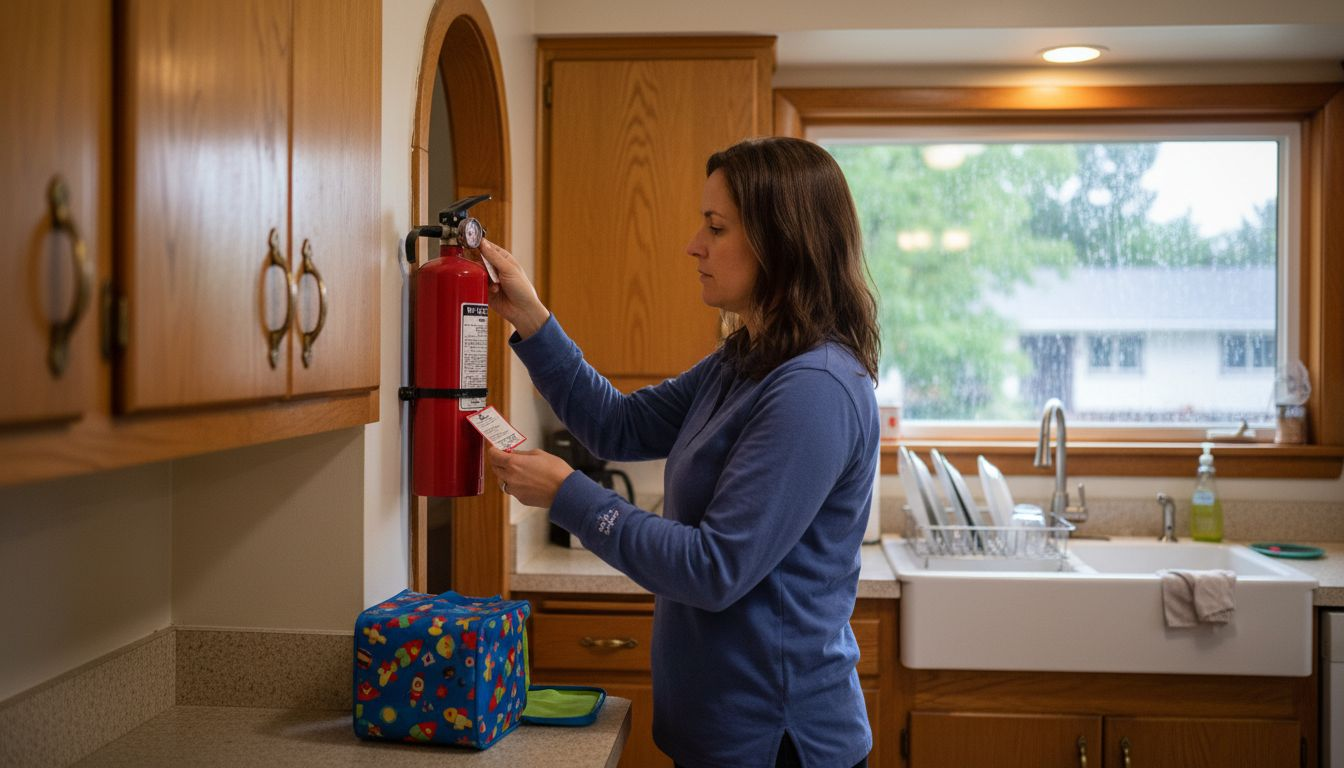 Multi-purpose ABC extinguishers cover wood, paper, grease, and electrical fires, making them ideal for residential use. Install at least one on every floor of your home, positioned near high-risk areas like kitchens, garages, and workshops. Proper fire extinguisher placement guidelines recommend mounting them in visible, accessible spots where they won’t be blocked by furniture or clutter. Learn the PASS technique: Pull the pin, Aim at the base of the fire, Squeeze the handle, and Sweep side to side.
Regular maintenance ensures your extinguisher works when you need it. Check the pressure gauge monthly to confirm it’s in the green zone. Inspect for physical damage, corrosion, or clogged nozzles. Have a professional service your extinguishers annually or after any use. Replace disposable extinguishers after they discharge, and recharge rechargeable models promptly. Homes without extinguishers face higher property damage and injury rates because occupants lack immediate response options.
Fire extinguisher essentials:
Multi-purpose ABC extinguishers cover wood, paper, grease, and electrical fires, making them ideal for residential use. Install at least one on every floor of your home, positioned near high-risk areas like kitchens, garages, and workshops. Proper fire extinguisher placement guidelines recommend mounting them in visible, accessible spots where they won’t be blocked by furniture or clutter. Learn the PASS technique: Pull the pin, Aim at the base of the fire, Squeeze the handle, and Sweep side to side.
Regular maintenance ensures your extinguisher works when you need it. Check the pressure gauge monthly to confirm it’s in the green zone. Inspect for physical damage, corrosion, or clogged nozzles. Have a professional service your extinguishers annually or after any use. Replace disposable extinguishers after they discharge, and recharge rechargeable models promptly. Homes without extinguishers face higher property damage and injury rates because occupants lack immediate response options.
Fire extinguisher essentials:
 Whether you’re evaluating a potential purchase or preparing your current home for sale, choosing a real estate agent who understands local safety requirements and market expectations makes the process smoother. Discover the benefits of using an Oakland County realtor who knows the area’s unique challenges and opportunities. Stay informed with the latest real estate updates affecting Oakland County homeowners.
Table of Contents
- Selection Criteria For Home Fire Safety Measures
- Smoke Detectors And Alarms
- Fire Extinguishers And Suppression Systems
- Kitchen Fire Prevention
- Electrical Safety Measures
- Fire Escape Planning And Drills
- Local Resources And Regulations
- Summary Comparison And Situational Recommendations
- Protect Your Oakland County Home With Expert Advice
- Frequently Asked Questions
Key takeaways
Selection criteria for home fire safety measures
Choosing fire safety devices starts with understanding what makes one measure more effective than another. Oakland County homeowners face unique considerations, from local building codes to seasonal weather patterns that influence fire risks. The right choices balance proven effectiveness, practical installation, compliance requirements, and long-term maintenance costs. When evaluating fire safety measures, criteria include effectiveness in reducing death and injury, ease of installation, suitability to home hazards, local compliance, and cost. These factors guide you toward solutions that genuinely protect your family rather than adding unnecessary expense or complexity. Prioritize measures with documented impact on fire survival rates, such as working smoke alarms and accessible extinguishers. Next, consider installation complexity and whether you can maintain the equipment yourself or need professional support. Additional factors include suitability to the specific fire hazards in your home. Older homes with outdated wiring benefit most from electrical safety upgrades, while kitchens in any home demand vigilant cooking safety practices and nearby suppression tools. Compliance with Oakland County fire codes ensures your measures meet minimum legal standards and may improve insurance rates. Finally, evaluate ongoing costs like battery replacements, inspection fees, and potential system upgrades as technology evolves. Key selection factors:- Documented effectiveness in reducing fire deaths and injuries
- Simplicity of installation and routine maintenance
- Match between device and your home’s primary fire risks
- Compliance with Oakland County codes and insurance requirements
- Total cost of ownership including ongoing maintenance
Smoke detectors and alarms
Smoke alarms are your first line of defense, giving you precious seconds to escape before a fire spreads. Choosing the right alarm technology and maintaining it properly can mean the difference between a safe evacuation and a tragic outcome. Oakland County homes benefit from modern photoelectric or dual-sensor alarms that outperform older ionization-only models in detecting the smoldering fires common in residential settings. Photoelectric smoke alarms better detect smoldering fires common in homes than ionization alarms, improving safety. Ionization alarms excel at detecting fast-flaming fires but often miss slow, smoky fires from furniture or wiring. Dual-sensor alarms combine both technologies for broader protection. For maximum safety, install interconnected smoke alarm benefits so that when one alarm sounds, they all activate throughout your home, alerting everyone regardless of location. Maintain your alarms by testing them monthly using the test button and replacing batteries annually if you have standard battery-powered models. Sealed lithium battery alarms last up to ten years without battery changes, reducing maintenance hassle and the risk of dead batteries during an emergency. Replace the entire alarm unit every ten years, as sensors degrade over time and lose sensitivity. Install alarms in every bedroom, outside each sleeping area, and on every level of your home including the basement. Smoke alarm best practices:- Choose photoelectric or dual-sensor alarms for comprehensive detection
- Install interconnected alarms so all units sound together
- Test alarms monthly and replace batteries annually
- Consider sealed lithium battery models for ten-year maintenance-free operation
- Replace entire alarm units every ten years
- Position alarms on ceilings or high on walls, away from vents
Fire extinguishers and suppression systems
Fire extinguishers give you the power to control small fires before they become unmanageable infernos. In Oakland County homes, multi-purpose ABC extinguishers are the gold standard because they handle ordinary combustibles, flammable liquids, and electrical fires. Having the right extinguisher within reach can save your home and prevent injuries during those critical first minutes.
Multi-purpose ABC extinguishers cover wood, paper, grease, and electrical fires, making them ideal for residential use. Install at least one on every floor of your home, positioned near high-risk areas like kitchens, garages, and workshops. Proper fire extinguisher placement guidelines recommend mounting them in visible, accessible spots where they won’t be blocked by furniture or clutter. Learn the PASS technique: Pull the pin, Aim at the base of the fire, Squeeze the handle, and Sweep side to side.
Regular maintenance ensures your extinguisher works when you need it. Check the pressure gauge monthly to confirm it’s in the green zone. Inspect for physical damage, corrosion, or clogged nozzles. Have a professional service your extinguishers annually or after any use. Replace disposable extinguishers after they discharge, and recharge rechargeable models promptly. Homes without extinguishers face higher property damage and injury rates because occupants lack immediate response options.
Fire extinguisher essentials:
- Install multi-purpose ABC extinguishers on every floor
- Mount near kitchens, garages, and exits for quick access
- Learn the PASS technique before an emergency
- Check pressure gauges monthly
- Schedule annual professional inspections
Kitchen fire prevention
Kitchens are the heart of your home and the most common site of residential fires. Cooking equipment causes 49% of home structure fires in the U.S., making kitchen safety paramount. Oakland County homeowners can drastically reduce fire risk by adopting vigilant cooking habits and maintaining appliances properly. Never leave cooking unattended, especially when frying, grilling, or broiling. Keep flammable items like towels, paper, and packaging away from stovetops and ovens. Clean grease buildup from stovetops, ovens, and exhaust hoods regularly to prevent ignition. Use timers to remind you of cooking in progress, and turn pot handles inward so they can’t be knocked over. If a grease fire starts, never use water; instead, slide a lid over the pan to smother flames or use a Class K fire extinguisher designed for grease fires. Maintain your cooking appliances by inspecting burners, heating elements, and electrical cords for damage. Replace frayed cords immediately and avoid overloading electrical outlets with multiple high-wattage appliances. Install a fire extinguisher within ten feet of your stove, but not directly above it where flames could block access. Keep a box of baking soda nearby as a simple grease fire suppressant for small stove fires. Kitchen fire safety tips:- Stay in the kitchen while cooking; set timers to avoid distraction
- Keep flammable materials at least three feet from heat sources
- Clean grease and food debris from stovetops and ovens regularly
- Turn pot handles inward to prevent spills and burns
- Install a Class K extinguisher or keep baking soda accessible
- Inspect appliance cords and outlets for damage
Electrical safety measures
Electrical failures spark thousands of home fires each year, often in hidden spaces like walls or attics. Oakland County homes, especially older properties built before modern electrical codes, face elevated risk from outdated wiring, overloaded circuits, and aging panels. Proactive electrical safety measures reduce these hazards and protect your family from invisible threats. Arc fault circuit interrupter (AFCI) breakers detect dangerous electrical arcs that can ignite surrounding materials. These breakers shut off power when they sense irregular electrical patterns, preventing fires before they start. Modern electrical codes require AFCIs in bedrooms and other living areas; upgrading your panel to include them is a smart investment. Avoid overloading circuits by spreading high-wattage appliances across different outlets and circuits. Use power strips with overload protection rather than chaining extension cords together. Schedule a professional electrical inspection every few years or whenever you notice warning signs like flickering lights, warm outlets, burning smells, or frequently tripped breakers. Older homes with aluminum wiring, knob-and-tube systems, or undersized panels benefit most from comprehensive upgrades. Replace damaged outlets, switches, and cords immediately rather than waiting for a bigger problem. Install tamper-resistant outlets if you have young children to prevent electrical shock and fire hazards. Electrical fire prevention steps:- Install AFCI breakers in bedrooms and living areas
- Avoid overloading outlets with multiple high-wattage devices
- Schedule professional electrical inspections every three to five years
- Replace frayed cords, damaged outlets, and loose switches promptly
- Upgrade outdated wiring in older Oakland County homes
- Use surge protectors with overload protection
Fire escape planning and drills
Knowing how to escape your home quickly and safely during a fire is just as important as preventing fires in the first place. Effective home fire escape plans include two exit routes per room, a designated meeting spot, and biannual family drills. Oakland County families who practice escape plans significantly improve their chances of getting out safely when seconds count. Identify two ways out of every room, typically a door and a window. Ensure windows open easily and screens or security bars can be removed quickly from the inside. Choose an outdoor meeting spot a safe distance from your home, such as a mailbox, tree, or neighbor’s driveway. Make sure everyone in your household knows the meeting location and understands they must go there immediately after escaping, without returning inside for any reason. Practice your escape plan at least twice a year, including nighttime drills to simulate real fire conditions. Teach children to feel doors for heat before opening them, crawl low under smoke, and never hide during a fire. Test smoke alarms at the start of each drill to reinforce their importance and ensure they’re working. Adjust your plan for family members with mobility challenges, young children, or pets who need assistance evacuating. Fire escape plan essentials:- Draw a floor plan showing two exits from every room
- Select an outdoor meeting spot and communicate it clearly
- Practice escape drills twice per year, including nighttime scenarios
- Teach children to crawl low under smoke and feel doors for heat
- Adjust plans for family members needing evacuation assistance
- Test smoke alarms at the start of every drill
Local resources and regulations
Oakland County offers valuable fire safety resources and programs to help homeowners implement effective protections. Connecting with local fire departments, inspection services, and compliance programs ensures your safety measures meet current standards and gives you access to expert advice tailored to your community. Many Oakland County fire departments offer free home fire safety inspections where trained personnel assess your smoke alarms, escape routes, and overall fire preparedness. These inspections provide personalized recommendations and sometimes include free smoke alarm installation for qualifying households. Local fire prevention programs often host community events with hands-on training for extinguisher use, escape planning, and emergency response. Fire safety compliance affects real estate transactions in Oakland County. Sellers must often provide proof of working smoke alarms and may need to upgrade systems to meet current codes before closing. Buyers benefit from fire safety inspections in Oakland County as part of their home inspection process. Staying informed about local fire safety support and code requirements protects your investment and your family. Local fire safety resources:- Free home fire safety inspections from Oakland County fire departments
- Community fire prevention programs and training events
- Smoke alarm installation assistance for qualifying households
- Code compliance guidance for real estate transactions
- Contact information for local fire departments and emergency services
Summary comparison and situational recommendations
Choosing the right combination of fire safety measures depends on your home’s specific characteristics and your family’s needs. This comparison helps you prioritize investments and tailor protections to Oakland County homes with different risk profiles and budgets. For families with young children, prioritize interconnected smoke alarms in every bedroom and tamper-resistant electrical outlets. Homes with elderly residents benefit from loud, low-frequency alarms that are easier to hear and clear escape routes free of tripping hazards. Multi-story homes need extinguishers on every level and escape plans accounting for upper-floor evacuations. Older Oakland County homes with outdated electrical systems should invest in panel upgrades with AFCI breakers before adding other measures. Properties with large kitchens or frequent cooking benefit most from Class K extinguishers and grease fire suppression tools. Budget-conscious homeowners can start with basic photoelectric alarms and one ABC extinguisher per floor, then add interconnected systems and additional suppression tools over time.Protect your Oakland County home with expert advice
Fire safety is a crucial part of protecting your home investment and your family’s wellbeing. When you’re ready to buy or sell in Oakland County, working with experienced local professionals ensures your property meets safety standards and gives you peace of mind. Tom Gilliam and the Homes2MoveYou.com team bring over 20 years of Oakland County real estate expertise to help you make informed decisions about home safety, value, and long-term security.
Whether you’re evaluating a potential purchase or preparing your current home for sale, choosing a real estate agent who understands local safety requirements and market expectations makes the process smoother. Discover the benefits of using an Oakland County realtor who knows the area’s unique challenges and opportunities. Stay informed with the latest real estate updates affecting Oakland County homeowners.
Check out this article next