




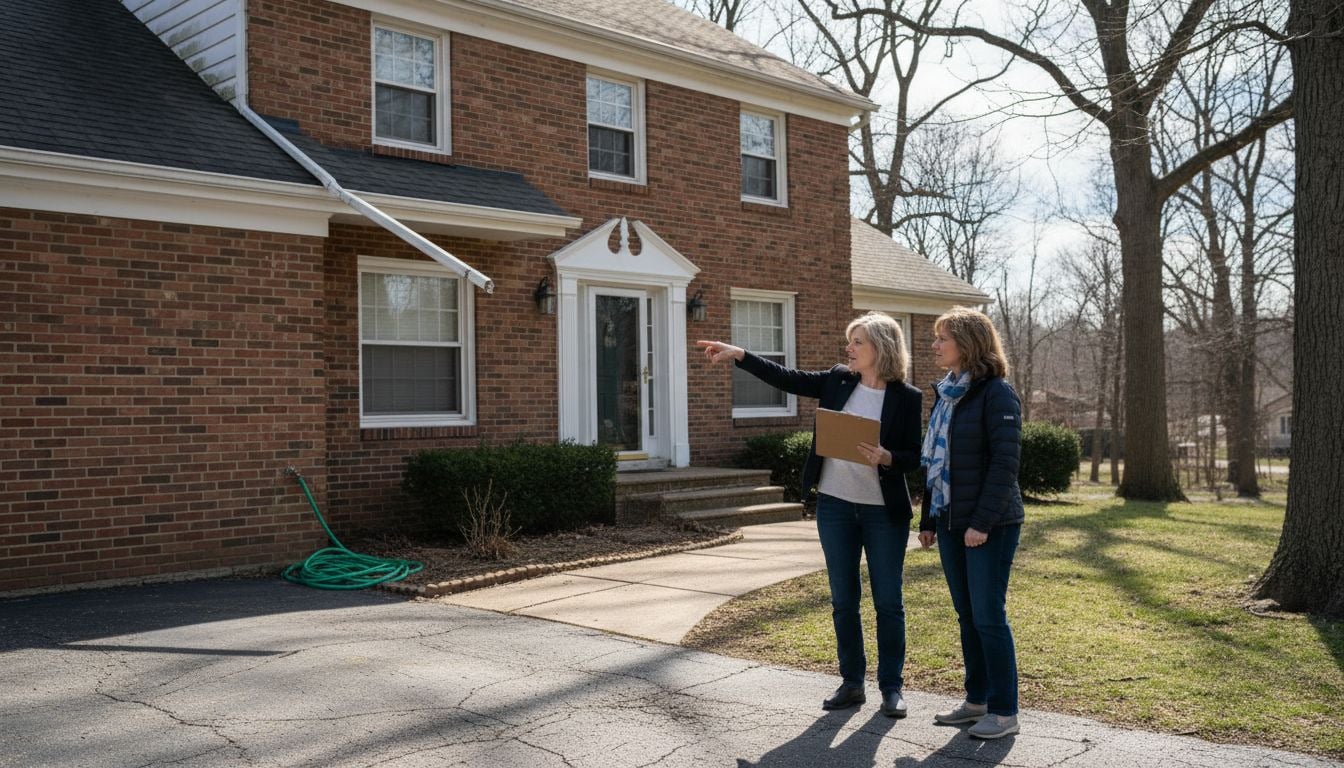
Selling your home in Oakland County can feel daunting when unexpected repairs pop up mid-transaction. Many sellers in Farmington Hills, Novi, and Northville are turning to pre-sale home inspections to gain clarity and avoid stressful surprises. By having a certified inspector examine your property before you list, you get advance notice of issues, build trust with buyers, and set a price grounded in your home’s true condition. Discover how this proactive step can transform your selling experience and protect your bottom line.
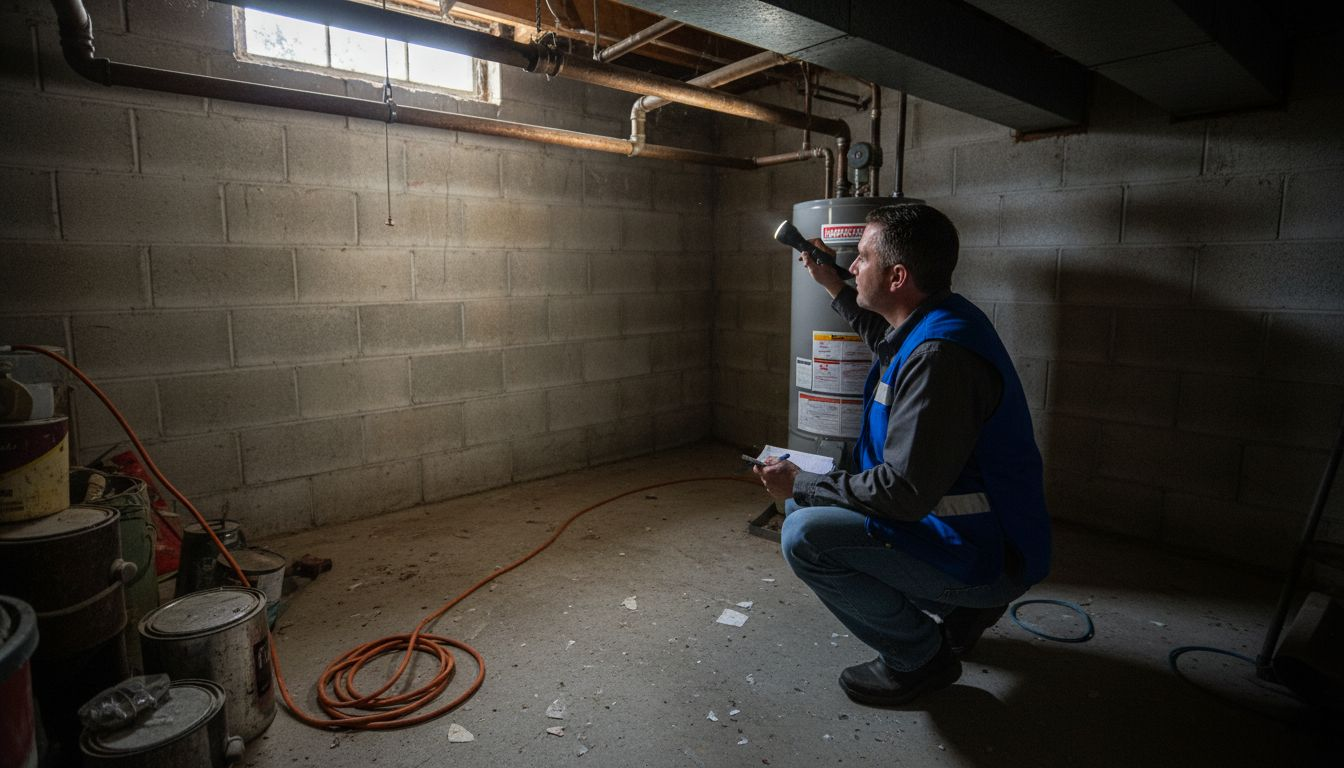 The process takes 2-4 hours depending on your home’s size and age. You’ll receive a detailed written report within 24-48 hours listing all findings.
 Partner with Tom Gilliam at Homes2MoveYou.com to leverage over 20 years of experience in Oakland County real estate. From strategic pricing to spotlighting your pre-inspected home’s strengths, Tom helps sellers turn inspections into powerful marketing tools that build buyer trust and speed up closings. Learn more about how to prepare and present your home by visiting our landing page and getting personalized advice today.
Explore direct ways to maximize your sale now with insights designed specifically for Farmington Hills and Oakland County sellers at Homes2MoveYou.com.
Partner with Tom Gilliam at Homes2MoveYou.com to leverage over 20 years of experience in Oakland County real estate. From strategic pricing to spotlighting your pre-inspected home’s strengths, Tom helps sellers turn inspections into powerful marketing tools that build buyer trust and speed up closings. Learn more about how to prepare and present your home by visiting our landing page and getting personalized advice today.
Explore direct ways to maximize your sale now with insights designed specifically for Farmington Hills and Oakland County sellers at Homes2MoveYou.com.
Table of Contents
- Pre-Sale Home Inspections Defined and Debunked
- Key Benefits for Oakland County Home Sellers
- Inspection Process and Most-Flagged Issues
- Costs, Buyer Perception, and Negotiation Impact
- Avoiding Common Mistakes and Legal Considerations
Key Takeaways
| Key Strategic Point | Professional Details |
|---|---|
| Pre-Sale Inspections Empower Sellers | Conducting a pre-sale inspection allows sellers to identify issues and address them before listing, ultimately enhancing their negotiating position. |
| Transparency Builds Trust | Disclosing inspection findings upfront strengthens buyer confidence, leading to smoother transactions with fewer last-minute demands. |
| Strategic Pricing Decisions | Sellers can price their homes more accurately based on documented inspection findings, attracting serious buyers. |
| Faster Sales with Pre-Inspections | Homes marketed as pre-inspected typically sell faster and reduce negotiation hurdles, benefiting sellers in a competitive market. |
Pre-Sale Home Inspections Defined and Debunked
A pre-sale home inspection is a comprehensive examination of your home’s condition before you list it on the market. Think of it as a reality check before potential buyers arrive. Unlike buyer inspections that happen after an offer is made, a pre-listing inspection gives you advance warning about problems. You control the timing, the inspector, and most importantly, the information.What a Pre-Sale Inspection Actually Covers
Professional home inspectors examine the major systems that make your home function:- Structural elements (foundation, walls, roof condition)
- Mechanical systems (heating, cooling, electrical systems)
- Plumbing (pipes, fixtures, water pressure)
- Interior and exterior conditions (walls, floors, siding, windows)
- Attic and basement spaces for moisture, pests, or damage
Pre-sale inspections give sellers time to address issues before listing, preventing surprises during negotiations and helping price the home accurately.
Common Misconceptions About Pre-Sale Inspections
Myth 1: You must fix everything the inspector finds. False. You choose which repairs to make. Some sellers fix critical items, others adjust their price. The inspection simply informs your decision. Myth 2: Pre-sale inspections guarantee no future problems. No inspection guarantees future condition. Inspectors assess what’s visible that day—they don’t predict failures three years from now. Home inspection is a snapshot, not a crystal ball. Myth 3: Listing inspection reports will scare away buyers. Actually, transparency builds trust. Buyers who know about issues upfront are less likely to order a competing inspection or demand renegotiations later. Full disclosure prevents deal collapse. Myth 4: It’s too expensive to be worth it. Most pre-sale inspections cost $300-500 in Oakland County. Compare that to losing a $400,000 sale because a buyer’s inspector found undisclosed foundation cracks. The ROI is substantial.Why Oakland County Sellers Choose Pre-Sale Inspections
Homes in Farmington Hills, Novi, and Northville sell faster when inspections are completed beforehand. Buyers gain confidence. Sellers avoid last-minute repair demands that tank deals. Understanding what inspectors look for helps you prepare your home strategically and address the issues that matter most to buyers in your market. Pro tip: Schedule your pre-sale inspection 4-6 weeks before listing. This gives you time to decide on repairs and still list while the market remains strong.Key Benefits for Oakland County Home Sellers
A pre-sale inspection transforms how you sell your home in Oakland County’s competitive market. Instead of surprises derailing your sale, you control the narrative from day one. Sellers who complete inspections before listing gain a strategic advantage over those who wait. You’re not reacting to buyer concerns—you’re preventing them. Here’s a quick look at how pre-sale home inspections benefit sellers compared to relying solely on a buyer’s inspection:Control Over Repairs and Pricing
Knowing your home’s condition upfront lets you make smart decisions about which repairs matter most. You’re not forced into last-minute emergency fixes that cost more and stress you out. You can also price realistically. A home with documented inspection findings priced accurately attracts serious buyers. Underpriced homes sell fast; overpriced homes sit. Pre-inspection data keeps you in the sweet spot.Faster Sales and Fewer Deal Cancellations
Buyers in Farmington Hills, Novi, and Northville appreciate transparency. When you market your home as pre-inspected, you signal confidence in its condition. Pre-listing inspections prevent late-stage contract cancellations by managing buyer expectations upfront. Fewer inspection contingencies mean fewer negotiations. Fewer negotiations mean faster closings. It’s that simple.Build Buyer Confidence Without Games
Transparency builds trust. Buyers who see your inspection report early understand what they’re getting. No hidden surprises. No second-guessing their decision. This confidence translates to serious offers and smooth transactions. Buyers feel protected because you’ve been honest from the start.Market Your Home Strategically
A pre-inspected home is a marketing asset. Your real estate agent can highlight it in listings and ads. Key selling points include:- “Pre-inspected and ready to close”
- “All major systems evaluated”
- “Known issues disclosed upfront”
- “Peace of mind for your next owner”
Reduce Negotiation Obstacles
Pre-listing inspections address potential issues beforehand, giving you leverage in negotiations. If a buyer’s inspector finds something, you’ve already documented it and can explain your approach. No surprises means no last-minute price drops or repair demands.Pre-sale inspections level the playing field—you control the information and set expectations, rather than reacting to buyer demands.
Why Oakland County Sellers Win with Pre-Inspection
The Oakland County market moves fast. Homes with clear inspection reports sell before those without. You’re not competing on desperation—you’re competing on preparation. When buyers compare two similar homes, the pre-inspected one wins every time. Certainty beats uncertainty. Pro tip: Pair your pre-inspection with professional staging and quality photos—buyers who see a well-documented, well-presented home feel confident making offers quickly.Inspection Process and Most-Flagged Issues
A pre-sale inspection follows the same rigorous standards as a buyer’s inspection. Your inspector arrives with a checklist, tools, and a methodical approach to evaluate every accessible part of your home. The process takes 2-4 hours depending on your home’s size and age. You’ll receive a detailed written report within 24-48 hours listing all findings.
How the Inspection Actually Works
Inspectors conduct a non-invasive visual examination of your major systems. They’re not tearing into walls or breaking things open—they’re looking at what’s visible and accessible. The inspector will:- Climb the roof and examine shingles, flashing, and gutters
- Test electrical outlets and check the breaker panel
- Turn on faucets and inspect visible plumbing
- Evaluate HVAC systems and run the furnace or AC
- Walk the attic and basement for structural issues
- Check doors, windows, and exterior conditions
Most Common Issues Inspectors Find
In Oakland County homes, certain issues appear repeatedly. Knowing what inspectors typically flag helps you prioritize repairs before listing. Roofing problems:- Missing or damaged shingles
- Deteriorated flashing around chimneys and vents
- Gutters clogged with debris or separated from fascia
- Outdated panel capacity (common in older Farmington Hills homes)
- Reverse polarity outlets
- Missing ground fault circuit interrupters in bathrooms and kitchens
- Slow drains indicating clogs or deteriorating pipes
- Water stains suggesting past or current leaks
- Corroded shut-off valves
- Foundation cracks (settlement cracks are common, but active ones are concerning)
- Sagging floors or ceilings
- Water intrusion or moisture damage in basements
- Systems over 15 years old approaching end of life
- Dirty air filters reducing efficiency
- Refrigerant leaks in air conditioning units
| Issue Type | Typical Example | Impact if Unresolved |
|---|---|---|
| Roofing | Missing shingles | Water leaks, buyer concern |
| Electrical | Outdated panel | Safety risk, insurance issue |
| Plumbing | Slow drain, corrosion | Water damage, costly repairs |
| Structural | Foundation crack | Value reduction, legal risks |
| HVAC | Old furnace or AC | Reduced efficiency, cost |
Most flagged issues are minor—things like caulking, paint touch-ups, or filter replacements. Major issues are rare but valuable to know before buyers discover them.
What Inspectors Can’t Tell You
Inspections have clear limitations. Inspectors cannot identify hidden defects inside walls, determine future condition, or assess whether your home meets current building codes. They also won’t tell you market value or predict whether systems will fail next month. It’s a snapshot, not a crystal ball.Using Your Inspection Report
Your report becomes a selling tool. Disclose findings to buyers upfront and explain what you’ve done or plan to do about major items. Small issues? Fix them. Major issues? Price accordingly or handle them before listing. Either way, buyers see honesty, and that builds confidence. Pro tip: Get copies of any repair receipts and warranties for work done after your inspection—buyers appreciate documented maintenance and professional repairs.Costs, Buyer Perception, and Negotiation Impact
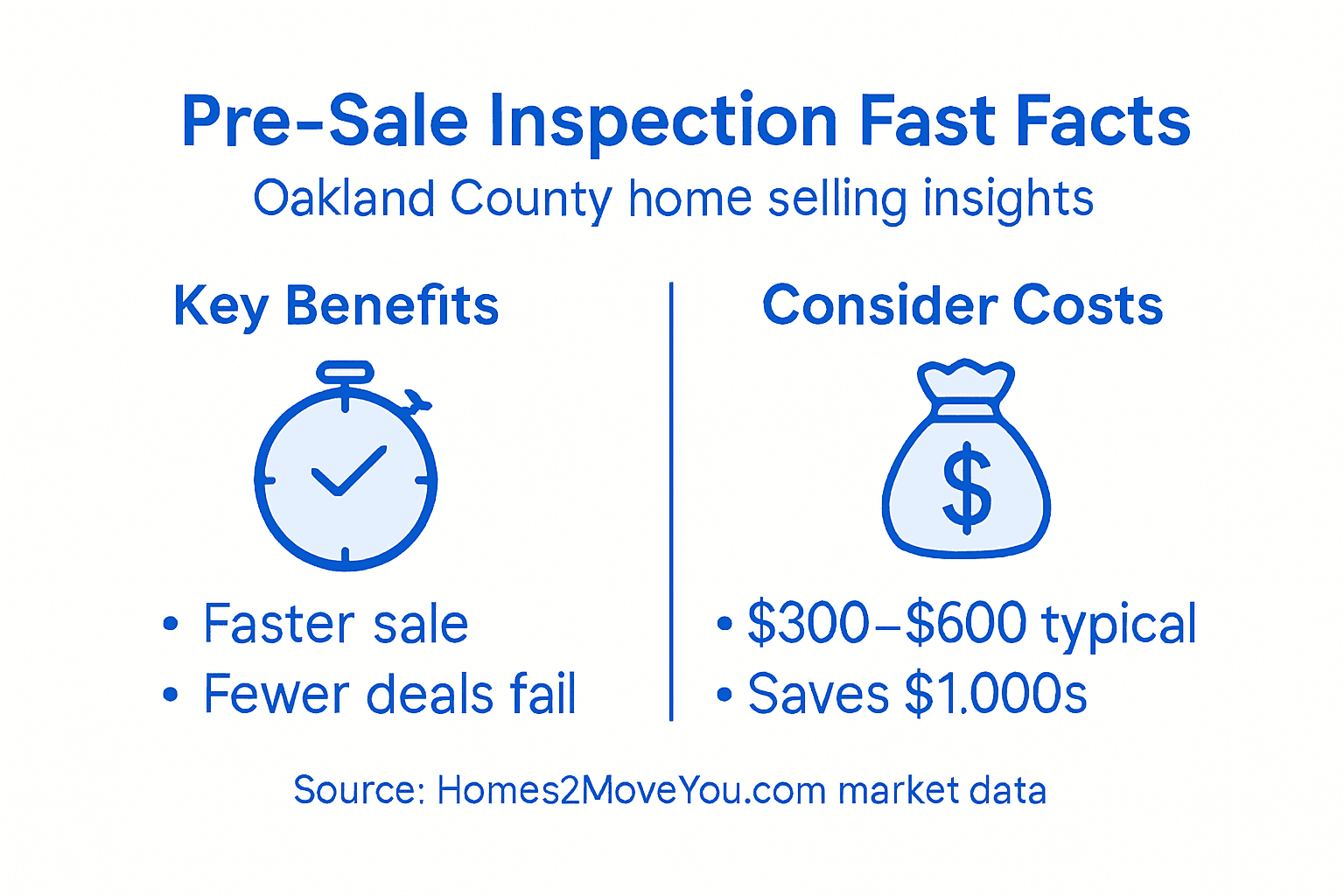
Pre-sale inspections aren’t free, but the investment pays dividends in Oakland County’s competitive market. Understanding the cost-benefit equation helps you make a smart decision about whether to proceed. A typical pre-listing inspection costs $300-$600 depending on your home’s size, age, and location. For a $400,000 home in Farmington Hills or Novi, that’s 0.075% to 0.15% of your sale price—a rounding error compared to the protection it provides.
The Math: Cost vs. Risk
Consider what happens without a pre-sale inspection. A buyer’s inspector finds foundation cracks, outdated electrical, or roof damage. The buyer demands a $15,000 price reduction or walks away entirely. You spent $0 on inspection and lost $15,000 in negotiating power. That’s the real cost of avoiding this investment.How Pre-Inspection Shapes Buyer Perception
Buyers are naturally skeptical. They assume sellers hide problems. A pre-sale inspection flips that narrative—you’re proving your home is worth buying as-is. Standard home inspections cost between $300-$600 and influence buyer perception by increasing confidence in property condition. When buyers see documented, transparent findings, they feel safer making offers. This confidence translates to:- Fewer competing inspection demands
- Fewer price renegotiations
- Faster closing timelines
- More serious, committed buyers
Negotiation Leverage and Deal Protection
Without a pre-sale inspection, you’re vulnerable. Buyer inspectors find issues, buyers demand credits or repairs, and you’re forced into last-minute decisions that cost more. With a pre-sale inspection, you control the narrative. You’ve already documented everything and decided your position. When a buyer’s inspector finds something you’ve already disclosed, there’s nothing to negotiate—you’ve already been transparent. Pre-listing inspections help sellers negotiate more effectively as buyers have greater confidence in the property condition. Fewer surprises mean fewer deal-killing disputes.Who Typically Pays and Why
In most Oakland County transactions, buyers order and pay for their own inspection. But when you pay for a pre-sale inspection, you’re making a strategic investment in your sale. You’re not obligated to pay for the buyer’s inspection. That’s their cost of due diligence. Your inspection is your marketing tool.A $400 inspection investment prevents $10,000-$20,000 negotiation losses—and accelerates your sale by weeks.
Real Impact on Sale Speed and Price
Homes with pre-sale inspections sell faster in Oakland County. Buyers don’t need to order their own inspection, cutting 7-10 days from the timeline. Faster sales mean less carrying costs, less market risk, and less stress. In a shifting market, every week matters. Price-wise, transparency enables realistic pricing. You’re not guessing about condition—you have data. Buyers pay more for certainty.The Bottom Line
The inspection cost is minimal compared to:- Price reductions from buyer negotiations
- Lost time sitting on the market
- Carrying costs and holding expenses
- Stress and uncertainty
Avoiding Common Mistakes and Legal Considerations
Pre-sale inspections are powerful tools, but mistakes in how you handle them can create legal exposure. Knowing what to avoid protects you and your sale. The biggest mistake sellers make is hiding inspection findings or refusing to disclose issues. That’s not strategy—it’s illegal. Misrepresentation claims can kill deals and damage your reputation.Common Mistakes That Cost Sellers
Not all inspection mistakes are legal issues, but they damage your credibility and sale. Mistake 1: Delaying inspection repairs. You get the inspection report and procrastinate on fixing items. Meanwhile, the market shifts or your listing stagnates. Address critical repairs within two weeks of receiving findings. Mistake 2: Over-disclosing minor issues. You mention every small finding in marketing materials, overwhelming buyers. Focus on major issues only. Minor cosmetic problems don’t need emphasis. Mistake 3: Hiring unlicensed or unqualified inspectors. A bad inspection report creates confusion. Always hire a certified inspector who follows professional standards. In Michigan, verify credentials through the American Society of Home Inspectors (ASHI) or similar organizations. Mistake 4: Not documenting repair work. You fix issues but keep no receipts or proof. Buyers doubt the work was done properly. Keep all warranties, invoices, and contractor information.Legal Disclosure Requirements
Michigan requires sellers to disclose material defects to buyers. What’s material? Anything that significantly affects property value or safety—foundation issues, major system failures, water damage, termites. Small cosmetic problems don’t require disclosure. A nail hole doesn’t. A foundation crack does. Inspectors and sellers must report all significant defects truthfully to avoid misrepresentation claims. Your inspection report becomes a legal document. Everything in it must be accurate and complete. Fail to disclose a known major issue, and you face potential lawsuits even after closing. That liability can follow you for years.What Inspections Don’t Cover
Understand inspection limitations to avoid confusion. Inspections exclude aesthetic issues or items not permanently installed, and they don’t predict future failures. Inspectors can’t see inside walls or assess code compliance. They won’t tell you if your home meets current building standards. Buyer expectations often exceed inspection scope, so set clear boundaries in your disclosure.Voluntary vs. Mandatory Inspections
In Oakland County, Michigan, pre-sale inspections are voluntary—you choose to do them. This is important legally. You control the timeline and the information. Some municipalities have experimented with mandatory inspection requirements, but these face constitutional challenges regarding property rights and governmental overreach. Fortunately, pre-sale inspections in Oakland County remain your choice, not a requirement.Full disclosure of inspection findings prevents costly litigation and builds buyer confidence—it’s both legally necessary and strategically smart.
Protecting Yourself
When you get inspection findings, work with your real estate agent and possibly a real estate attorney to understand disclosure obligations. Don’t guess about legal requirements. Key protective steps:- Disclose all significant findings in writing
- Keep copies of disclosure documents
- Document all repairs with receipts
- Work with a licensed, certified inspector
- Follow your agent’s guidance on disclosure timing
Take Control of Your Oakland County Home Sale with Expert Guidance
Selling a home in Farmington Hills or nearby Oakland County cities comes with challenges like addressing inspection issues early and pricing your property right. This article highlights critical concepts such as pre-sale home inspections, transparency with buyers, and reducing last-minute negotiations. If you want to avoid costly surprises and confidently navigate repairs and disclosures, you need trusted local expertise. Partner with Tom Gilliam at Homes2MoveYou.com to leverage over 20 years of experience in Oakland County real estate. From strategic pricing to spotlighting your pre-inspected home’s strengths, Tom helps sellers turn inspections into powerful marketing tools that build buyer trust and speed up closings. Learn more about how to prepare and present your home by visiting our landing page and getting personalized advice today.
Explore direct ways to maximize your sale now with insights designed specifically for Farmington Hills and Oakland County sellers at Homes2MoveYou.com.
Frequently Asked Questions
What is a pre-sale home inspection?
A pre-sale home inspection is a thorough evaluation of your home’s condition before you list it for sale. It helps identify any issues that may need to be addressed, allowing you to control repairs and pricing before potential buyers come in.What major systems are covered in a pre-sale inspection?
A pre-sale inspection typically covers structural elements, mechanical systems, plumbing, interior and exterior conditions, and attic and basement spaces. Inspectors assess visible and accessible areas to provide a snapshot of your home’s condition.How can a pre-sale inspection benefit me as a seller?
A pre-sale inspection can benefit sellers by allowing them to address issues proactively, enhance buyer trust through transparency, price the home accurately, and reduce last-minute negotiations, ultimately leading to faster sales and fewer deal cancellations.What are common misconceptions about pre-sale home inspections?
Common misconceptions include the belief that you must fix everything the inspector finds, that inspections guarantee no future problems, and that listing inspection reports scare away buyers. In reality, pre-sale inspections provide valuable information to make informed decisions about repairs and pricing.Recommended
- Preparing for Appraisal: Maximize Your Oakland County Sale - Homes2MoveYou.com
- Preparing a Home for Sale: Maximize Your Value - Homes2MoveYou.com
- Getting Your Oakland County MI House Ready to Sell - Homes2MoveYou.com
- Unlock the Best Days to Sell Your Home in Oakland County, Michigan - Homes2MoveYou.com
Check out this article next