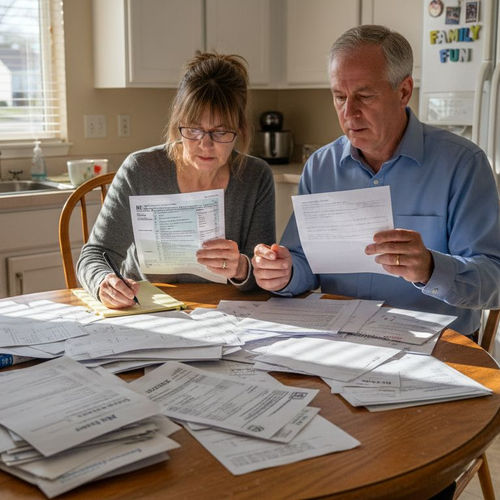





Utility costs claim a surprisingly high share of monthly spending for the average American homeowner, with electricity and natural gas topping the list in Michigan. Households in Farmington Hills and Oakland County face volatile bills year-round, especially during peak winter and summer months. Understanding these expenses matters when planning renovations or preparing to sell, because smart utility strategies can improve both your cash flow and your property’s value.
 Behavioral modifications play a crucial role in reducing utility expenses. Simple actions like unplugging electronics when not in use, using natural lighting, running full loads in dishwashers and washing machines, and adjusting thermostat settings can dramatically decrease monthly utility costs. Homeowners can also invest in home weatherization techniques such as adding insulation, sealing air leaks, and using thermal curtains to improve overall energy efficiency and reduce heating and cooling expenses.
Smart Tip: Conduct a home energy audit to identify specific areas of high energy consumption and prioritize your utility cost reduction strategies.
Behavioral modifications play a crucial role in reducing utility expenses. Simple actions like unplugging electronics when not in use, using natural lighting, running full loads in dishwashers and washing machines, and adjusting thermostat settings can dramatically decrease monthly utility costs. Homeowners can also invest in home weatherization techniques such as adding insulation, sealing air leaks, and using thermal curtains to improve overall energy efficiency and reduce heating and cooling expenses.
Smart Tip: Conduct a home energy audit to identify specific areas of high energy consumption and prioritize your utility cost reduction strategies.
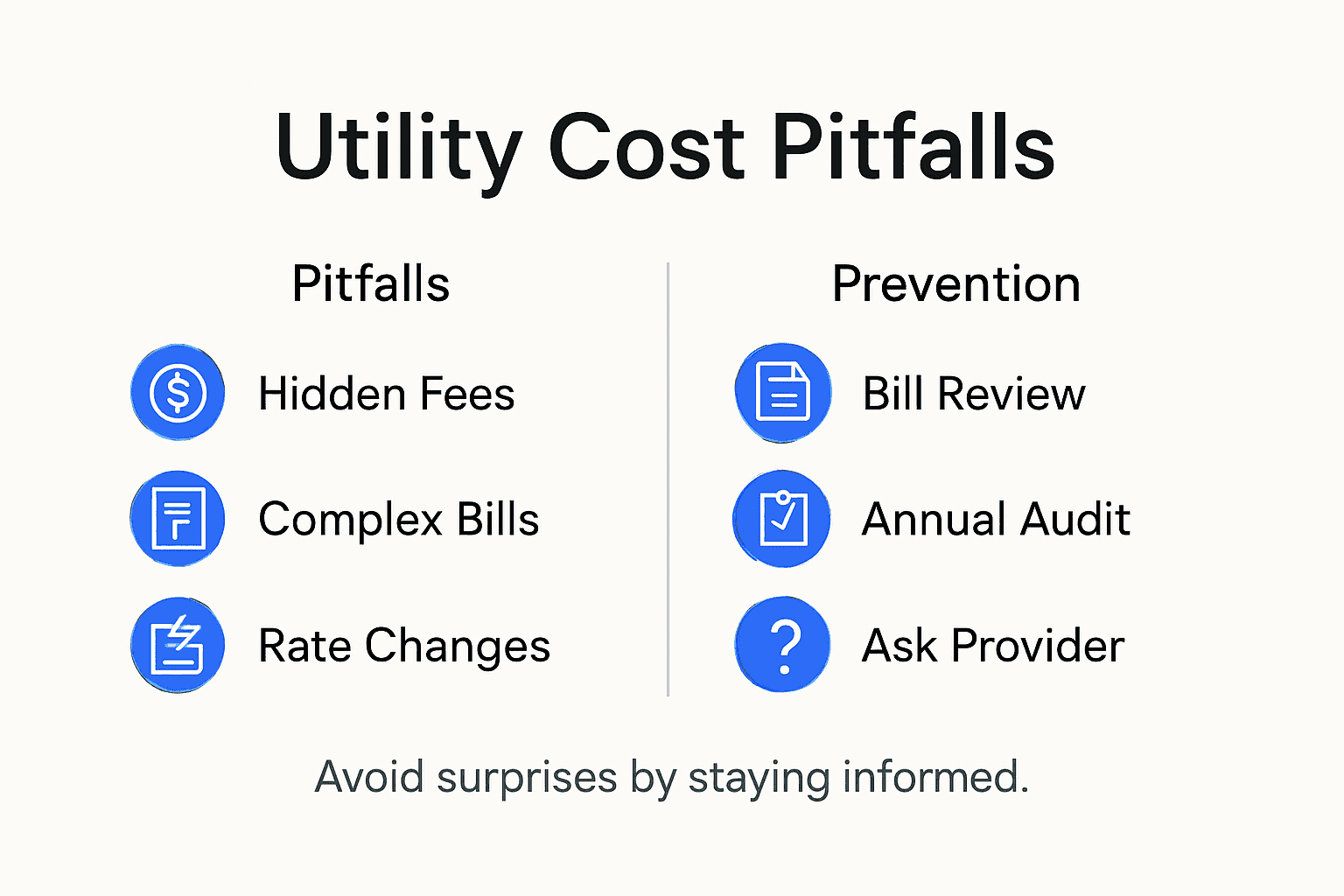 Many homeowners unknowingly encounter billing complications related to utility infrastructure and rate structures. Utility allowance calculations can create significant discrepancies between expected and actual utility expenses, particularly in residential settings with older infrastructure or inefficient appliances. These variations can result from outdated equipment, poor insulation, or incorrect meter readings that systematically inflate monthly utility bills.
To mitigate these financial risks, homeowners should implement proactive strategies such as regularly reviewing detailed utility statements, challenging unexplained charges, and maintaining precise records of energy consumption. Engaging directly with utility providers, understanding rate structures, and conducting periodic home energy audits can help identify and eliminate unnecessary expenses. Additionally, exploring alternative energy providers and negotiating rate plans can provide substantial long-term savings for Michigan residents committed to reducing their utility costs.
Smart Tip: Request a comprehensive utility bill audit from your provider annually to uncover and dispute any incorrect or inflated charges.
Many homeowners unknowingly encounter billing complications related to utility infrastructure and rate structures. Utility allowance calculations can create significant discrepancies between expected and actual utility expenses, particularly in residential settings with older infrastructure or inefficient appliances. These variations can result from outdated equipment, poor insulation, or incorrect meter readings that systematically inflate monthly utility bills.
To mitigate these financial risks, homeowners should implement proactive strategies such as regularly reviewing detailed utility statements, challenging unexplained charges, and maintaining precise records of energy consumption. Engaging directly with utility providers, understanding rate structures, and conducting periodic home energy audits can help identify and eliminate unnecessary expenses. Additionally, exploring alternative energy providers and negotiating rate plans can provide substantial long-term savings for Michigan residents committed to reducing their utility costs.
Smart Tip: Request a comprehensive utility bill audit from your provider annually to uncover and dispute any incorrect or inflated charges.
 Discover homes designed to maximize energy efficiency and reduce your monthly utility burden. Visit Homes2MoveYou.com now to explore listings in areas like Novi, Troy, and West Bloomfield. Take advantage of Tom’s expert pricing strategies and local market insights to secure a property that fits your needs and budget. Don’t wait—finding the right home today can be the first step toward long-term savings and a more comfortable living experience. Start your search and connect with Tom by visiting Homes2MoveYou.com.
Table of Contents
- Defining Utility Costs For Michigan Homeowners
- Major Sources Of Utility Expenses In Residences
- Effective Strategies For Lowering Utility Bills
- Michigan Rebates, Incentives, And Assistance Programs
- Common Pitfalls And How To Avoid Them
Key Takeaways
| Point | Details |
|---|---|
| Understanding Utility Costs | Michigan homeowners should track and analyze utility expenses regularly to budget effectively and maintain control over monthly housing costs. |
| Key Expense Categories | The main utility costs include electricity and natural gas, with water and sewer charges also playing a significant role in total household expenses. |
| Strategies for Cost Reduction | Adopting energy-efficient upgrades, improving insulation, and monitoring usage patterns can result in meaningful long-term savings on utility bills. |
| Availability of Assistance Programs | Michigan offers various state and federal assistance programs and rebates that help offset energy costs, particularly for qualifying low-income households. |
Defining Utility Costs for Michigan Homeowners
Utility costs represent the ongoing monthly expenses Michigan homeowners pay for essential services like electricity, natural gas, water, and sewage. In Michigan, these costs can fluctuate significantly based on factors like home size, energy efficiency, and seasonal weather patterns. Citizens Utility Board of Michigan explains that understanding these expenses is crucial for effective household budgeting and financial planning. For Michigan homeowners, utility costs typically break down into several key categories. Electricity expenses, which often represent the largest portion of utility spending, are influenced by home size, appliance efficiency, and personal consumption habits. Natural gas costs play a significant role during Michigan’s cold winters, where heating becomes a substantial monthly expense. Water and sewage charges, while generally more stable, can also impact overall utility spending depending on household usage and local municipal rates. The structure of utility pricing in Michigan involves complex regulatory frameworks that determine rate calculations. Utility companies must balance infrastructure maintenance, energy generation costs, and consumer affordability. Factors like home insulation, appliance efficiency, and personal energy consumption patterns directly impact monthly bills. Residential utility rates are often tiered, meaning that higher consumption leads to incrementally higher per-unit charges, incentivizing energy conservation and efficient home management. Smart Tip: Track your monthly utility statements and compare them year over year to identify potential efficiency improvements and unexpected consumption patterns.Major Sources of Utility Expenses in Residences
Residential utility expenses encompass multiple critical services that contribute to a household’s monthly financial obligations. According to comprehensive utility cost research, the primary sources of utility expenses include electricity, natural gas, water, sewer, trash collection, internet, and phone services. Among these, electricity and natural gas consistently represent the most significant financial burdens for Michigan homeowners. Electricity expenses typically form the largest portion of utility costs, driven by factors like home size, appliance efficiency, and daily energy consumption patterns. The U.S. Energy Information Administration highlights that residential energy insecurity often stems from these core utility expenses, with heating and cooling systems being major contributors to monthly electricity and natural gas bills. In Michigan, seasonal temperature variations significantly impact these costs, with winter months demanding substantially higher energy consumption for home heating. Water and sewer services represent another critical component of residential utility expenses. While generally more stable than energy costs, these utilities can still fluctuate based on household size, water usage habits, and local municipal infrastructure. Additional utility expenses like internet and phone services, though smaller in proportion, continue to be essential modern household expenses that contribute to the overall monthly utility budget. Smart Tip: Create a detailed spreadsheet tracking each utility expense monthly to identify potential areas for cost reduction and understand your household’s specific consumption patterns. Here’s a quick comparison of common Michigan residential utility expense categories and what influences their monthly costs:| Utility Type | Typical Cost Drivers | Seasonal Impact |
|---|---|---|
| Electricity | Home size, appliance efficiency, usage habits, cooling systems | Higher during summer months due to air conditioning demand |
| Natural Gas | Heating system efficiency, insulation quality, home age | Higher in winter due to heating needs |
| Water & Sewer | Household size, local municipal rates, lawn irrigation | Relatively stable with slight increases in warmer months |
| Internet & Phone | Service provider, plan tier, bundled services | Minimal seasonal variation |
Effective Strategies for Lowering Utility Bills
Reducing utility expenses requires a multifaceted approach that combines immediate behavioral changes with strategic long-term investments. Comprehensive utility savings strategies recommend several practical methods for Michigan homeowners to minimize their monthly utility costs. These strategies focus on three primary areas: energy efficiency, consumption reduction, and smart home management. Energy efficiency represents the most immediate pathway to lowering utility bills. This involves upgrading to energy-efficient appliances, using LED lighting, and implementing smart home technologies that monitor and optimize energy consumption. Heating and cooling systems typically consume the most energy, so strategic thermostat management can yield significant savings. The National Council on Aging also emphasizes exploring utility assistance programs for households experiencing financial constraints, which can provide additional cost-reduction opportunities.
Behavioral modifications play a crucial role in reducing utility expenses. Simple actions like unplugging electronics when not in use, using natural lighting, running full loads in dishwashers and washing machines, and adjusting thermostat settings can dramatically decrease monthly utility costs. Homeowners can also invest in home weatherization techniques such as adding insulation, sealing air leaks, and using thermal curtains to improve overall energy efficiency and reduce heating and cooling expenses.
Smart Tip: Conduct a home energy audit to identify specific areas of high energy consumption and prioritize your utility cost reduction strategies.
Michigan Rebates, Incentives, and Assistance Programs
Comprehensive utility assistance resources provide Michigan homeowners with multiple pathways to reduce financial burdens associated with energy costs. The state offers several targeted programs designed to help residents manage utility expenses, particularly for low-income households experiencing financial challenges. These initiatives range from direct financial assistance to energy efficiency rebate programs, creating a robust support system for Michigan residents. The Michigan Energy Assistance Program (MEAP) and State Emergency Relief represent critical support mechanisms for households struggling with utility costs. These programs provide direct financial support to help cover heating, cooling, and essential utility expenses. Additionally, recent home energy rebate initiatives funded through the federal Inflation Reduction Act offer substantial opportunities for homeowners to upgrade appliances, improve home insulation, and enhance heating and cooling systems while receiving financial incentives. Eligibility for these programs typically depends on household income, with priority given to low-income families, seniors, and households with special needs. Homeowners can access support through various channels, including local community action agencies, utility providers, and state-sponsored websites. These programs not only provide financial relief but also encourage energy-efficient home improvements that can lead to long-term utility cost reductions. Smart Tip: Contact Michigan 211 to get a personalized overview of utility assistance programs you may qualify for, as eligibility can change annually. Below is a concise summary of Michigan’s primary utility assistance options and the benefits they offer:| Program Name | Core Benefit | Who Qualifies |
|---|---|---|
| Michigan Energy Assistance | Helps eligible households pay heating and electricity bills during periods of financial hardship. | Low-income homeowners and renters meeting income guidelines |
| State Emergency Relief | Provides short-term assistance for emergency utility shutoffs and housing-related crises. | Families experiencing temporary financial emergencies |
| Federal Energy Rebates | Offers rebates and incentives for energy-efficient home upgrades and improvements. | All residents, with some rebates based on income levels |
Common Pitfalls and How to Avoid Them
Hidden utility fees and unexpected charges represent significant financial challenges for Michigan homeowners seeking to manage their utility costs effectively. These expenses often emerge through complex billing structures that can include fixed charges, administrative fees, and service surcharges that remain constant regardless of actual energy consumption. Understanding these potential pitfalls is crucial for developing a strategic approach to utility cost management.
Many homeowners unknowingly encounter billing complications related to utility infrastructure and rate structures. Utility allowance calculations can create significant discrepancies between expected and actual utility expenses, particularly in residential settings with older infrastructure or inefficient appliances. These variations can result from outdated equipment, poor insulation, or incorrect meter readings that systematically inflate monthly utility bills.
To mitigate these financial risks, homeowners should implement proactive strategies such as regularly reviewing detailed utility statements, challenging unexplained charges, and maintaining precise records of energy consumption. Engaging directly with utility providers, understanding rate structures, and conducting periodic home energy audits can help identify and eliminate unnecessary expenses. Additionally, exploring alternative energy providers and negotiating rate plans can provide substantial long-term savings for Michigan residents committed to reducing their utility costs.
Smart Tip: Request a comprehensive utility bill audit from your provider annually to uncover and dispute any incorrect or inflated charges.
Take Control of Your Michigan Home Utility Costs with Expert Guidance
Managing and reducing utility expenses can feel overwhelming, especially with seasonal spikes and complex billing structures highlighted in the article “Reducing Utility Costs: Smart Moves for Michigan Homes.” If your goal is to find a home that supports energy efficiency and helps you avoid hidden fees, working with a knowledgeable real estate professional is essential. Tom Gilliam brings over 20 years of experience assisting buyers and sellers across Oakland County, including Farmington Hills and surrounding communities, to make smart choices that align with their financial and lifestyle goals.
Discover homes designed to maximize energy efficiency and reduce your monthly utility burden. Visit Homes2MoveYou.com now to explore listings in areas like Novi, Troy, and West Bloomfield. Take advantage of Tom’s expert pricing strategies and local market insights to secure a property that fits your needs and budget. Don’t wait—finding the right home today can be the first step toward long-term savings and a more comfortable living experience. Start your search and connect with Tom by visiting Homes2MoveYou.com.
Frequently Asked Questions
How can I reduce my electricity bills at home?
To reduce electricity bills, focus on upgrading to energy-efficient appliances, using LED lighting, and implementing smart home technologies. Managing your thermostat settings and unplugging electronics when not in use can also help lower costs.What are some effective energy-saving tips for winter?
To save energy in winter, ensure your home is well-insulated, seal air leaks, and use thermal curtains. Additionally, consider lowering your thermostat and utilizing space heaters wisely to maintain warmth in the areas you use most.Are there assistance programs available for homeowners struggling with utility costs?
Yes, various assistance programs exist to help homeowners manage utility costs, including the Michigan Energy Assistance Program (MEAP) and State Emergency Relief, which provide financial support for heating and cooling expenses.What common pitfalls should I avoid with my utility bills?
Avoid common pitfalls such as hidden fees by regularly reviewing your utility statements for errors. Be aware of potential unexpected charges related to infrastructure costs, and challenge any discrepancies you find in your billing.Recommended
- Benefits of Using a Realtor: Complete Essential Guide - Homes2MoveYou.com
- House Hunting Checklist: Your Step-by-Step Guide to Buying a Home - Homes2MoveYou.com
- Why Oakland County Home Prices Are Climbing—But Farmington Hills Prices Are Softening - Homes2MoveYou.com
- Understanding Closing Costs: What You Need to Know - Homes2MoveYou.com
Check out this article next