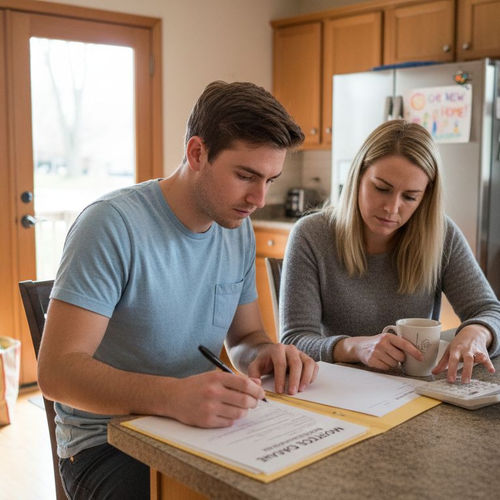




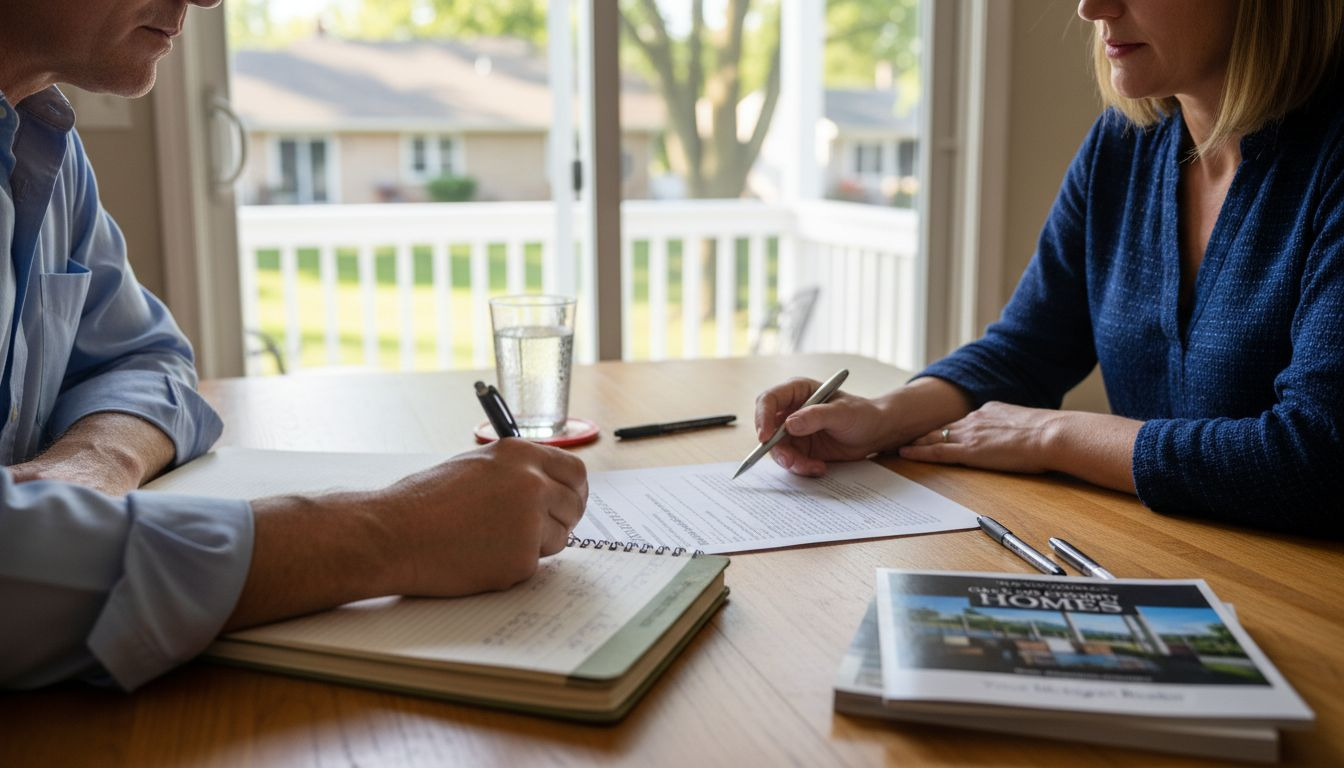
Nearly 80 percent of American first time home buyers discover unexpected repairs during the inspection process. For those purchasing in Oakland County hot spots like Farmington Hills and Novi, understanding how to negotiate these fixes can mean the difference between a smooth closing and stressful setbacks. This guide walks you through the key steps to confidently assess, request, and verify repairs so you protect your investment and start your next chapter with peace of mind.
 Pro Tip: Create a spreadsheet to track inspection findings, estimated repair costs, and priority levels to help you make informed negotiation decisions.
Pro Tip: Always maintain written documentation of all repair negotiations and counteroffers to protect your interests and create a clear record of agreements.
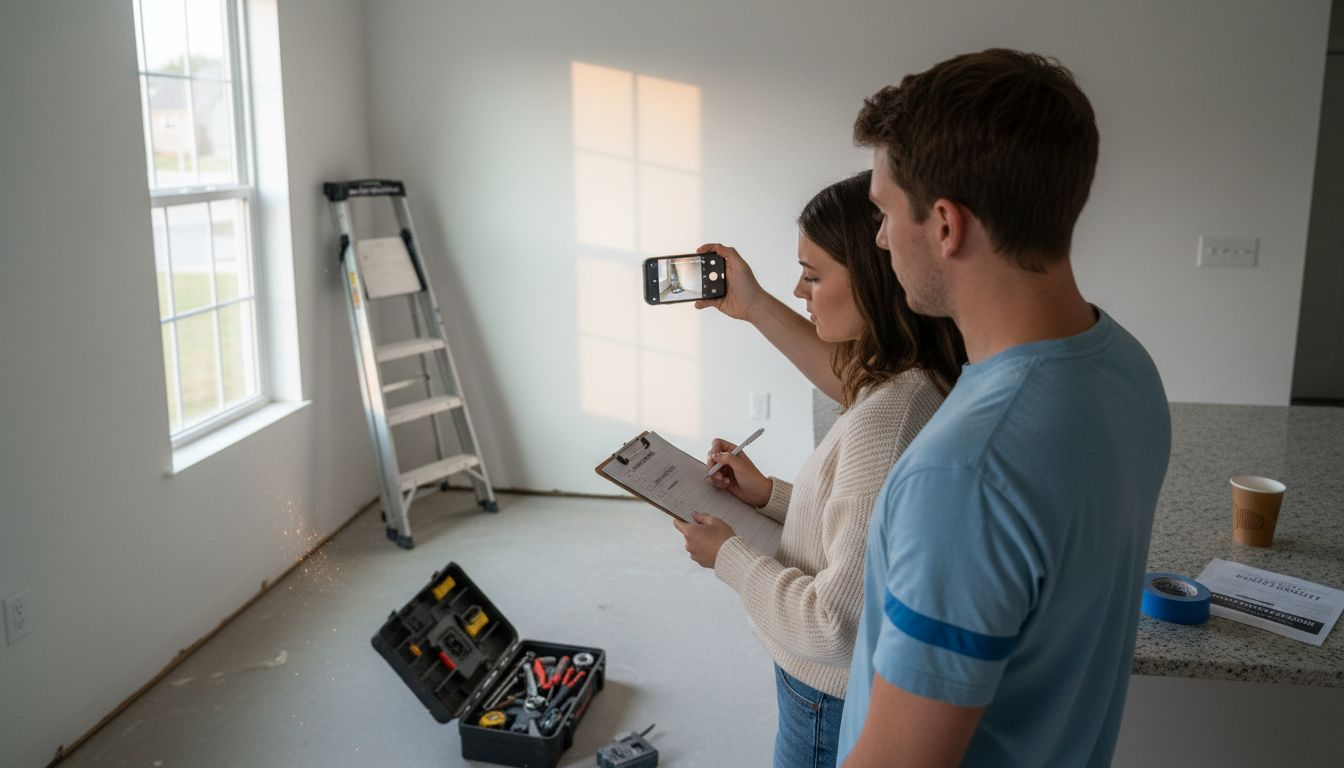 Under the principle of buyer beware legal standards, the burden falls squarely on you to confirm repair quality and completeness. Request comprehensive documentation from the seller, including detailed invoices, contractor certifications, and before and after photographs for each repair. Schedule a final walkthrough with your real estate agent and potentially a follow-up inspection to independently verify that all agreed repairs have been executed professionally and meet the original specifications discussed during negotiations.
Mortgage repair verification protocols are particularly important, as some lenders may require proof of repair completion before releasing funds. Work closely with your real estate agent and mortgage lender to ensure all documentation is thorough and meets their specific requirements. Pay special attention to repairs involving critical home systems like electrical, plumbing, roofing, and structural components. If any repairs appear incomplete or unsatisfactory, do not hesitate to request additional work or adjustments before closing.
Pro Tip: Take time stamped photos during your final walkthrough to create an independent record of the home’s condition immediately before closing.
Under the principle of buyer beware legal standards, the burden falls squarely on you to confirm repair quality and completeness. Request comprehensive documentation from the seller, including detailed invoices, contractor certifications, and before and after photographs for each repair. Schedule a final walkthrough with your real estate agent and potentially a follow-up inspection to independently verify that all agreed repairs have been executed professionally and meet the original specifications discussed during negotiations.
Mortgage repair verification protocols are particularly important, as some lenders may require proof of repair completion before releasing funds. Work closely with your real estate agent and mortgage lender to ensure all documentation is thorough and meets their specific requirements. Pay special attention to repairs involving critical home systems like electrical, plumbing, roofing, and structural components. If any repairs appear incomplete or unsatisfactory, do not hesitate to request additional work or adjustments before closing.
Pro Tip: Take time stamped photos during your final walkthrough to create an independent record of the home’s condition immediately before closing.
 Ready to turn inspection headaches into a smooth buying experience? Visit Homes2MoveYou.com today and connect with Farmington Hills’ premier agent. Discover tailored support for your next move including expert pricing insight, personalized negotiation, and comprehensive real estate services across Oakland County including Novi, Northville, and Troy. Don’t wait to secure your dream home under the best possible terms—get started now with Tom Gilliam and experience a stress-free journey from inspection to closing.
Table of Contents
- Step 1: Review Inspection Results And Identify Priorities
- Step 2: Assess Repair Requests With Your Real Estate Agent
- Step 3: Draft And Submit A Strong Repair Negotiation
- Step 4: Respond To Seller Counteroffers Effectively
- Step 5: Verify Agreed Repairs Before Closing
Quick Summary
| Key Insight | Explanation |
|---|---|
| 1. Prioritize Urgent Repairs First | Focus on health and safety concerns such as structural, electrical, or plumbing issues that require immediate attention before closing. |
| 2. Collaborate With Your Real Estate Agent | Work closely with your agent to review inspection results, identify priority repairs, and negotiate strategically with the seller. |
| 3. Document Repair Requests Clearly | Submit a detailed repair request outlining specific issues, estimated costs, and reasoning to support a stronger negotiation position. |
| 4. Evaluate Seller Counteroffers Carefully | Analyze counteroffers based on safety, long-term value, and overall investment impact while keeping negotiations collaborative. |
| 5. Verify Repairs Before Closing | Confirm all agreed-upon repairs are completed properly and documented before the final walkthrough and closing. |
Step 1: Review Inspection Results and Identify Priorities
Reviewing your home inspection report is a critical step in understanding the property’s condition and determining which repairs truly matter. Your goal is to separate minor cosmetic issues from significant problems that could impact the home’s safety, functionality, and long term value. Start by carefully reading through the National Standards for Physical Inspection to understand how professionals prioritize defects. Focus first on health and safety concerns like structural problems, electrical system issues, plumbing deficiencies, and potential environmental hazards. These are the repairs that demand immediate attention. Residential house inspections typically highlight critical systems such as roofing, HVAC, foundation integrity, and major mechanical components that could require significant investment. Organize the inspection findings into three clear categories: urgent repairs, recommended improvements, and cosmetic issues. Urgent repairs are non negotiable and should be addressed before closing the home purchase. Recommended improvements might impact the home’s efficiency or comfort but are not immediately critical. Cosmetic issues like paint color or minor scuff marks can typically be addressed after moving in. Here’s a breakdown of typical home inspection issues and their potential impact:| Issue Type | Impact on the Transaction | Typical Solution |
|---|---|---|
| Structural Problems | Threatens safety, financing approval, and long-term property value. | Immediate evaluation and repair by a licensed structural professional. |
| Electrical Deficiencies | Creates fire hazards and insurance or lender concerns. | Corrections performed by a licensed electrician with permits if required. |
| Plumbing Issues | Risk of leaks, water damage, and mold growth. | Repairs completed by a certified plumber prior to closing. |
| Environmental Hazards | Health and safety risks that can delay or derail a sale. | Professional remediation and clearance documentation. |
| Cosmetic Flaws | Primarily affects visual appeal rather than safety. | Optional DIY fixes or negotiated credits after closing. |
Pro Tip: Create a spreadsheet to track inspection findings, estimated repair costs, and priority levels to help you make informed negotiation decisions.
Step 2: Assess Repair Requests With Your Real Estate Agent
Working with your real estate agent to assess repair requests is a crucial phase in the home buying process. Your goal is to strategically address inspection findings while maintaining a constructive negotiation approach with the seller. Start by discussing the inspection report thoroughly with your agent. Real estate transaction experts recommend a collaborative approach to evaluating which repairs are most critical. Your agent can help you understand which issues are typical for homes of similar age and condition, and which truly warrant negotiation. Residential inspection findings often reveal opportunities for negotiation beyond direct repairs, such as seller credits or price adjustments that can offset potential repair costs. Prioritize repairs that impact safety, structural integrity, and major home systems. Consider creating a tiered list categorizing repairs into must fix, nice to fix, and cosmetic issues. This approach helps your agent negotiate effectively, focusing on substantial concerns while demonstrating flexibility on minor details. Your agent will draft a formal repair request document that outlines specific issues, recommended fixes, and potential compromises. Pro Tip: Always request repair estimates from licensed contractors to provide concrete documentation during repair negotiations with the seller.Step 3: Draft and Submit a Strong Repair Negotiation
Crafting a compelling repair negotiation is your opportunity to address critical issues discovered during the home inspection and protect your investment. The goal is to create a clear, reasonable proposal that communicates your concerns effectively while maintaining a constructive relationship with the seller. Successful home negotiation strategies require a methodical approach that balances specificity with flexibility. Begin by organizing your repair requests into three distinct categories: safety critical repairs, major system repairs, and cosmetic improvements. For each repair, include specific documentation from the home inspection report, estimated repair costs from licensed contractors, and a clear rationale explaining why the repair is necessary. This approach demonstrates that your requests are thoughtful and well researched, not arbitrary or excessive. When presenting your repair requests, consider multiple negotiation strategies. You might propose a combination of seller credits, direct repairs, or price reductions depending on the complexity and cost of the required work. Drafting the right agreement requires precision and clarity, so work closely with your real estate agent to ensure that all proposed repairs are documented accurately. Be prepared to prioritize your most critical repairs and potentially compromise on less essential items to keep the transaction moving forward. Pro Tip: Always maintain a collaborative tone in your repair negotiations and be willing to meet the seller halfway to demonstrate your commitment to closing the deal.Step 4: Respond to Seller Counteroffers Effectively
Receiving a seller’s counteroffer on repair requests can feel like navigating a complex negotiation maze. Your primary goal is to respond strategically while maintaining a collaborative relationship that keeps the home purchase moving forward. Dealmaking negotiation strategies emphasize the importance of backing up your position with clear, compelling rationales. When reviewing the seller’s counteroffer, carefully analyze each proposed change. Some sellers might offer partial repairs, credits, or alternative solutions to address the issues discovered during the home inspection. Evaluate these proposals objectively, focusing on the potential impact on the home’s safety, functionality, and your overall investment. Consider consulting your real estate agent and home inspector to help you understand the technical and financial implications of each proposed resolution. Understanding the legal implications of counteroffers is crucial during this phase. Each counteroffer technically rejects the previous proposal and introduces new terms, which means you must respond carefully to avoid unintentionally accepting unfavorable conditions. Develop a structured response that clearly communicates which aspects of the seller’s counteroffer you accept, reject, or wish to further negotiate. Be prepared to compromise on minor issues while standing firm on critical repairs that impact the home’s structural integrity or safety. This table highlights negotiation strategies and the benefits of each approach when responding to seller counteroffers:| Negotiation Strategy | Primary Benefit | Key Considerations |
|---|---|---|
| Direct Repairs | Ensures the issue is fully resolved before closing. | May extend timelines and require contractor coordination. |
| Seller Credits | Provides upfront funds to address repairs after closing. | Must be clearly documented and lender-approved. |
| Price Reduction | Immediate financial relief reflected in the purchase price. | May affect appraisal and loan terms. |
| Compromise on Minor Items | Keeps negotiations moving toward a smooth closing. | Buyer must weigh urgency against long-term cost. |
Step 5: Verify Agreed Repairs Before Closing
As you approach the final stages of your home purchase, verifying that all agreed repairs have been completed correctly becomes your critical responsibility. Your goal is to ensure the property meets the negotiated standards before you finalize the transaction and take ownership.
Under the principle of buyer beware legal standards, the burden falls squarely on you to confirm repair quality and completeness. Request comprehensive documentation from the seller, including detailed invoices, contractor certifications, and before and after photographs for each repair. Schedule a final walkthrough with your real estate agent and potentially a follow-up inspection to independently verify that all agreed repairs have been executed professionally and meet the original specifications discussed during negotiations.
Mortgage repair verification protocols are particularly important, as some lenders may require proof of repair completion before releasing funds. Work closely with your real estate agent and mortgage lender to ensure all documentation is thorough and meets their specific requirements. Pay special attention to repairs involving critical home systems like electrical, plumbing, roofing, and structural components. If any repairs appear incomplete or unsatisfactory, do not hesitate to request additional work or adjustments before closing.
Pro Tip: Take time stamped photos during your final walkthrough to create an independent record of the home’s condition immediately before closing.
Navigate Home Repair Negotiations with Confidence in Oakland County
Negotiating repairs after your home inspection can feel overwhelming. From identifying urgent structural issues to responding effectively to seller counteroffers, the process demands clear priorities and skilled negotiation. For home buyers in Farmington Hills and across Oakland County, having a trusted real estate expert by your side makes all the difference. Tom Gilliam at RE/MAX Classic brings over 20 years of experience helping buyers like you tackle these challenges with ease. Whether you need guidance on crafting repair requests or verifying repairs before closing, Tom offers local expertise and proven negotiation strategies to protect your investment.
Ready to turn inspection headaches into a smooth buying experience? Visit Homes2MoveYou.com today and connect with Farmington Hills’ premier agent. Discover tailored support for your next move including expert pricing insight, personalized negotiation, and comprehensive real estate services across Oakland County including Novi, Northville, and Troy. Don’t wait to secure your dream home under the best possible terms—get started now with Tom Gilliam and experience a stress-free journey from inspection to closing.
Frequently Asked Questions
What should I prioritize in negotiating repairs after the inspection?
Focus on safety-critical repairs such as structural issues, electrical deficiencies, and plumbing problems. These repairs have a significant impact on the home’s safety and functionality, so gather estimates for these repairs and be ready to present them in negotiations.How can I effectively communicate my repair requests to the seller?
Organize your requests into clear categories: safety critical, major system repairs, and cosmetic improvements. Present this structured list to the seller and include estimates from licensed contractors to support your negotiation.What if the seller counters my repair requests?
Evaluate the seller’s counteroffer closely, looking for solutions like partial repairs or credits. Develop a structured response to clearly outline what you accept, reject, or wish to negotiate further, and be ready to compromise on minor issues if necessary.How can I ensure that repair work is completed before closing the sale?
Request thorough documentation from the seller, including invoices and contractor certifications for all repairs. Schedule a final walkthrough to verify repair quality and completeness before finalizing the purchase.What should I do if I find the repairs are incomplete during the final walkthrough?
If any repairs appear unfinished or unsatisfactory, communicate this to the seller immediately. Request additional work or adjustments before closing to ensure the home meets the negotiated standards.Check out this article next