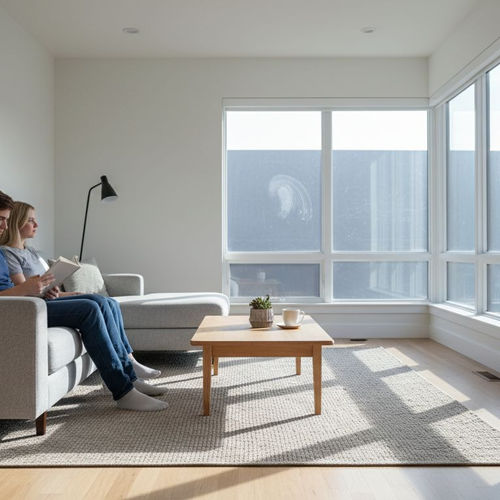





Every family in Farmington Hills and Novi dreams of a home where conversations flow as easily as sunlight through open spaces. For first-time buyers focusing on open concept floor plans, the appeal lies in flexible layouts that unite kitchens, dining rooms, and living areas into one welcoming hub. This design trend supports modern living by encouraging interaction and adapting to your changing needs, while offering practical value and lifestyle benefits unique to Oakland County.
Pro tip: Before renovating, experiment with temporary room dividers or furniture arrangements to test how an open concept might function in your specific living space.
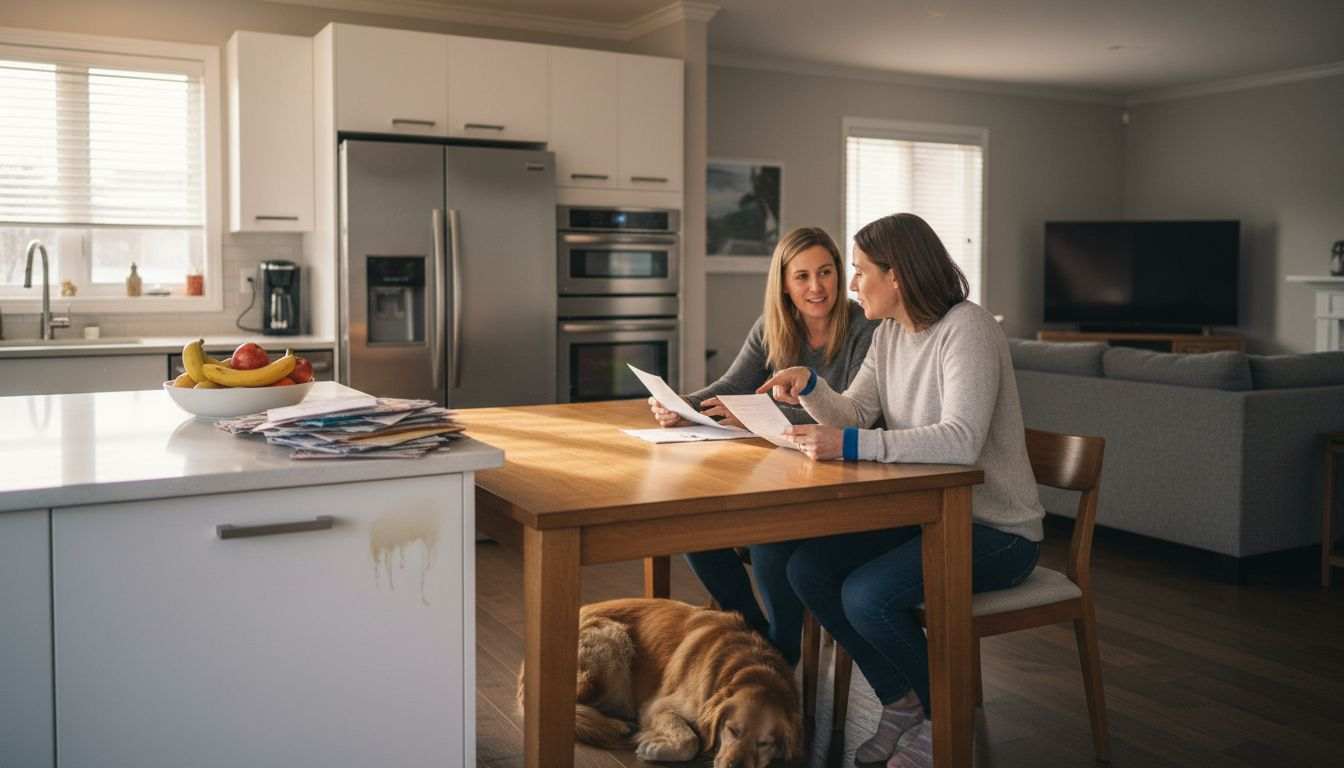 Regional preferences and home sizes significantly influence open concept design implementations. In smaller urban homes, this approach maximizes limited square footage by eliminating unnecessary walls. Larger suburban residences might utilize more complex configurations, such as creating distinct zones within the open space through strategic furniture placement, area rugs, or subtle changes in flooring materials. These design techniques help define functional areas without constructing physical barriers. While aesthetic appeal drives many open concept choices, practical considerations remain paramount. Homeowners must balance the desire for openness with acoustic management, thermal efficiency, and potential cooking odor transmission. Some innovative solutions include incorporating sliding glass panels, half walls, or movable screens that provide flexibility to adjust space privacy and sound characteristics as needed. Pro tip: Consider installing sound-absorbing materials like area rugs, curtains, or acoustic panels to manage noise levels in your open concept living space.
 Privacy emerges as a critical consideration in open concept design. Without traditional room dividers, families must develop innovative strategies to create personal spaces within the shared environment. Solutions range from strategic furniture placement and decorative room dividers to acoustic management techniques that provide auditory separation. Some homeowners incorporate sliding panels, area rugs, or subtle changes in flooring and lighting to delineate functional zones without constructing permanent barriers. These design approaches allow families to maintain visual openness while preserving individual comfort and personal space. Economic analyses suggest that the value of open concept living extends beyond monetary measurements. The layout’s ability to foster family interaction, accommodate flexible lifestyles, and adapt to changing household needs represents an intangible but significant benefit. Potential buyers increasingly view these spaces as investments in quality of life, not just square footage. However, this value proposition varies based on individual family dynamics, work patterns, and personal preferences. Pro tip: Consult a local real estate professional to understand how open concept designs specifically impact property values in your Oakland County neighborhood.
Pro tip: Before undertaking major open concept renovations, consult a local real estate professional to understand specific value implications for your neighborhood.
 Work with Tom Gilliam, a trusted Farmington Hills real estate agent with over 20 years of experience helping buyers and sellers unlock the best value in Oakland County. Visit Homes2MoveYou.com to explore listings featuring open concept floor plans and learn how smart design choices can increase resale value and comfort. Take the first step today to find a home that perfectly fits your family’s lifestyle or get top dollar when selling by contacting a professional who understands your unique needs. Start your open concept journey now at Homes2MoveYou.com and turn design dreams into tangible results.
Table of Contents
- Open Concept Floor Plans Defined And Debunked
- Common Layouts And Variations Explained
- Key Features For Modern Family Living
- Cost, Value, And Privacy Considerations
- Resale Value In Farmington Hills And Novi
Key Takeaways
| Point | Details |
|---|---|
| Open Concept Benefits | Open concept layouts enhance interaction, natural light, and design flexibility while allowing for multifunctional uses of space. |
| Consider Limitations | Noise transfer and lack of privacy are key drawbacks, prompting families to assess their specific needs before choosing this layout. |
| Market Value Impact | In regions like Oakland County, open concept designs can increase property value by 3–7%, appealing to contemporary buyer preferences. |
| Innovative Solutions | Homeowners can integrate movable partitions or design elements for sound management and to create distinct functional zones within open spaces. |
Open Concept Floor Plans Defined and Debunked
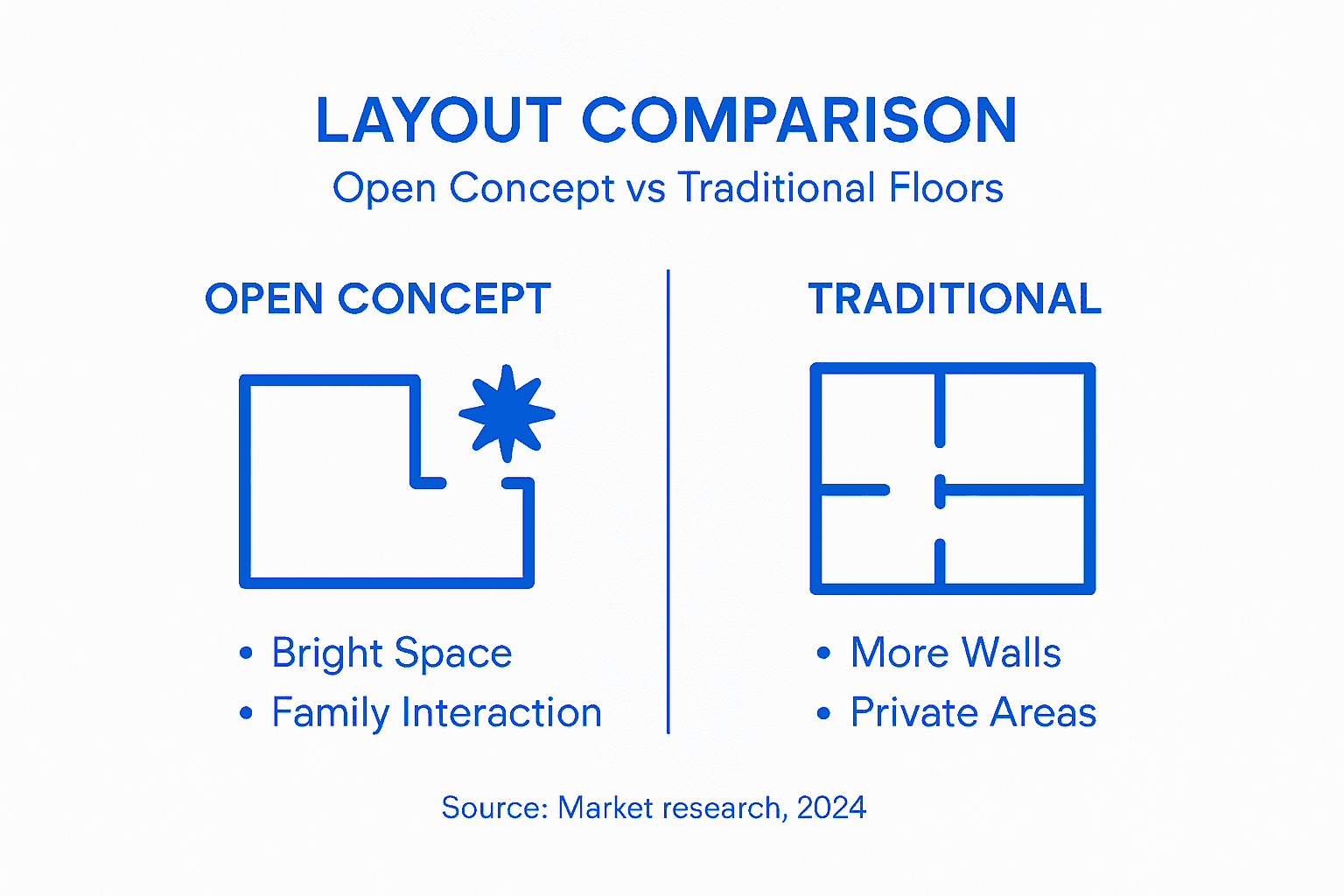
Open concept floor plans represent a transformative approach to residential design that reimagines how families interact within living spaces. By eliminating traditional room barriers, these innovative layouts create fluid, interconnected environments that promote social engagement and flexibility. At its core, an open concept floor plan removes walls separating primary living areas like kitchens, dining rooms, and family rooms, creating one expansive, unified space. This architectural strategy emerged prominently in the 1970s and has since become a hallmark of modern home design. Unlike traditional compartmentalized layouts, open plans allow visual and physical movement between functional zones, enabling families to communicate and share activities more seamlessly. The benefits of open floor plans extend beyond aesthetic appeal. These designs offer practical advantages such as improved natural light circulation, enhanced spatial perception, and greater design versatility. Homeowners can easily reconfigure furniture and create multipurpose areas without structural limitations. However, the approach is not without potential drawbacks. Noise transfer becomes more pronounced, and privacy can be challenging when all activities occur within a single shared environment. While open concept designs work brilliantly for many households, they are not a universal solution. Families should carefully consider their specific lifestyle, noise tolerance, and spatial needs before committing to this layout. Some homeowners find success by creating subtle visual boundaries or incorporating flexible partition options that maintain openness while offering occasional separation. Here’s a comparison of open concept vs. traditional floor plans:| Aspect | Open Concept | Traditional Layout |
|---|---|---|
| Room Separation | Few or no walls between main living areas. | Distinct rooms separated by walls and doors. |
| Light Flow | Enhanced natural light distribution throughout the space. | Light is often limited by room divisions. |
| Flexibility | Furniture and layouts are easy to rearrange. | Room purposes and layouts are more fixed. |
| Noise Control | Sound travels easily across shared spaces. | Better sound separation between rooms. |
| Privacy | Minimal privacy due to shared open areas. | Increased privacy within enclosed rooms. |
Common Layouts and Variations Explained
Open concept floor plans are not a one size fits all solution, but rather a flexible design approach with multiple interpretations. Architectural variations accommodate diverse family needs through strategic spatial configurations that balance interaction and functionality. The most common open concept layout integrates kitchen, dining, and living areas into a single continuous space. This central hub allows family members to interact while performing different activities simultaneously. Some homeowners extend this concept further by incorporating home office nooks, breakfast bars, or transitional zones that maintain visual connectivity without compromising individual workspace requirements. Staircases can also become architectural features that enhance rather than interrupt the open flow, creating visual interest and vertical connection between different home levels. Regional preferences and home sizes significantly influence open concept design implementations. In smaller urban homes, this approach maximizes limited square footage by eliminating unnecessary walls. Larger suburban residences might utilize more complex configurations, such as creating distinct zones within the open space through strategic furniture placement, area rugs, or subtle changes in flooring materials. These design techniques help define functional areas without constructing physical barriers. While aesthetic appeal drives many open concept choices, practical considerations remain paramount. Homeowners must balance the desire for openness with acoustic management, thermal efficiency, and potential cooking odor transmission. Some innovative solutions include incorporating sliding glass panels, half walls, or movable screens that provide flexibility to adjust space privacy and sound characteristics as needed. Pro tip: Consider installing sound-absorbing materials like area rugs, curtains, or acoustic panels to manage noise levels in your open concept living space.
Key Features for Modern Family Living
Open concept floor plans have evolved from simple architectural trends to sophisticated living solutions that address contemporary family dynamics. Adaptive design supports changing lifestyles by creating flexible spaces that grow and transform with family needs. Key features of modern family-friendly open concept designs prioritize multifunctionality and seamless interaction. The central living area becomes a dynamic hub where cooking, working, studying, and socializing can happen simultaneously. Strategic design elements like movable kitchen islands, integrated home office nooks, and adaptable seating arrangements enable families to maximize their living spaces. Wide doorways and minimal level changes ensure accessibility, making these layouts welcoming for multiple generations and family members with varying mobility requirements. Technology integration represents another critical aspect of contemporary open concept living. Smart home features like hidden charging stations, wireless network coverage, and flexible lighting systems transform these spaces into intelligent environments. Acoustic considerations become paramount, with design solutions such as sound-absorbing materials, strategic furniture placement, and zoned audio systems helping manage noise levels while maintaining the open, connected feel. Materials and finishes play a crucial role in defining open concept spaces. Designers increasingly utilize complementary color palettes, consistent flooring materials, and subtle visual demarcations to create distinct functional zones without introducing physical barriers. This approach allows individual areas to maintain their unique character while contributing to a cohesive, unified living environment that supports diverse family activities and personal expressions. Pro tip: Invest in modular, multipurpose furniture that can easily transition between different functions to maximize the flexibility of your open concept living space.Cost, Value, and Privacy Considerations
Open concept floor plans represent a significant investment that requires careful financial and personal evaluation. Property assessments reveal complex economic dynamics surrounding these modern living spaces, balancing potential market value against practical considerations. The financial implications of open concept designs extend beyond initial construction or renovation costs. Homeowners must consider long-term value impacts, including potential resale attractiveness and market perception. While these layouts often command premium pricing in competitive real estate markets, the return on investment depends on thoughtful implementation. Factors like quality of materials, intelligent design, and seamless integration of functional zones significantly influence overall property valuation. In areas like Oakland County, where modern housing trends evolve rapidly, open concept homes that successfully balance aesthetics with practical functionality tend to maintain stronger market appeal. Privacy emerges as a critical consideration in open concept design. Without traditional room dividers, families must develop innovative strategies to create personal spaces within the shared environment. Solutions range from strategic furniture placement and decorative room dividers to acoustic management techniques that provide auditory separation. Some homeowners incorporate sliding panels, area rugs, or subtle changes in flooring and lighting to delineate functional zones without constructing permanent barriers. These design approaches allow families to maintain visual openness while preserving individual comfort and personal space. Economic analyses suggest that the value of open concept living extends beyond monetary measurements. The layout’s ability to foster family interaction, accommodate flexible lifestyles, and adapt to changing household needs represents an intangible but significant benefit. Potential buyers increasingly view these spaces as investments in quality of life, not just square footage. However, this value proposition varies based on individual family dynamics, work patterns, and personal preferences. Pro tip: Consult a local real estate professional to understand how open concept designs specifically impact property values in your Oakland County neighborhood.
Resale Value in Farmington Hills and Novi
Open concept floor plans have emerged as a significant driver of property value in Oakland County, particularly within the dynamic real estate markets of Farmington Hills and Novi. Property assessments reveal nuanced market trends that highlight the growing appeal of these modern living spaces. In Farmington Hills, where the median home sale price hovers around $260,000, open concept layouts represent more than just an aesthetic choice. These designs have become a strategic asset for homeowners looking to maximize resale potential. Properties featuring seamless, interconnected living spaces typically attract younger buyers and professionals seeking flexible, contemporary environments. The ability to host gatherings, supervise children, and maintain visual connectivity throughout the home has transformed open concept designs from a trend to an expected feature in competitive real estate markets. Novi’s real estate landscape further demonstrates the financial significance of thoughtful open concept implementations. Homes that successfully integrate these layouts while maintaining functional zone differentiation tend to command premium pricing. Strategic design elements like consistent flooring, subtle lighting transitions, and intelligent furniture placement can transform an ordinary open plan into a compelling selling point. Potential buyers in these affluent Oakland County communities increasingly view open concept homes as investments in lifestyle quality, not just physical square footage. Local market dynamics suggest that open concept renovations can potentially increase home values by 3-7%, depending on implementation quality and neighborhood standards. However, homeowners must approach these transformations strategically. Not all open concept modifications are created equal, and poorly executed designs can actually diminish property appeal. Professional consultation with local real estate experts who understand Farmington Hills and Novi’s specific market nuances becomes crucial in making informed design decisions. The table below summarizes regional open concept real estate trends:| Region | Median Sale Price | Buyer Preference | Value Impact |
|---|---|---|---|
| Farmington Hills | Around $260,000 | Young professionals and growing families. | 3–7% potential value increase. |
| Novi | Higher than county average | Affluent buyers seeking flexibility and modern layouts. | Supports premium pricing. |
| Oakland County | Varies by city and neighborhood | Strong demand driven by lifestyle and location. | Overall market appeal increases. |
Discover Your Perfect Open Concept Home with Expert Guidance
Open concept floor plans create bright, flexible spaces that enhance family connection while balancing the challenges of privacy and noise. If you are looking to buy or sell a home in Oakland County, understanding how these layouts impact property value and lifestyle is critical. Whether you want a modern Farmington Hills home that maximizes natural light and social interaction or a Novi residence designed for multifunctional living, expert advice can help you navigate these decisions confidently. Work with Tom Gilliam, a trusted Farmington Hills real estate agent with over 20 years of experience helping buyers and sellers unlock the best value in Oakland County. Visit Homes2MoveYou.com to explore listings featuring open concept floor plans and learn how smart design choices can increase resale value and comfort. Take the first step today to find a home that perfectly fits your family’s lifestyle or get top dollar when selling by contacting a professional who understands your unique needs. Start your open concept journey now at Homes2MoveYou.com and turn design dreams into tangible results.
Frequently Asked Questions
What are the main benefits of open concept floor plans?
Open concept floor plans promote family interaction by eliminating walls that separate main living areas like kitchens, dining, and family rooms. They enhance natural light, improve spatial perception, and provide greater design flexibility for rearranging furniture and creating multipurpose spaces.What challenges might arise with open concept layouts?
Common challenges include increased noise transfer between areas and limited privacy due to the absence of traditional room separations. Homeowners may need to consider solutions like sound-absorbing materials or strategic furniture placement to mitigate these issues.How can I create visual boundaries in an open concept space?
You can create visual boundaries using furniture arrangements, area rugs, or decorative room dividers. Additionally, changes in flooring materials or lighting can help delineate functional zones without building physical barriers.Are open concept floor plans suitable for all families?
Not all families may benefit from open concept designs. It’s essential for families to assess their lifestyle, noise tolerance, and spatial needs before choosing this layout. Some may prefer more privacy and separation, while others thrive in interconnected spaces.Check out this article next