





How to Price Your Home to Sell Fast in Oakland County
A REALTOR's step-by-step guide to getting the list price right the first time
Start with a supported price range, relevant comparable properties and your selling goals. A list price is a strategy, not a guarantee of the sale price or timing. I’ve watched different outcomes play out hundreds of times over 24 years; the plan should explain the opening price and how we will assess buyer response.
TL;DR
Use a current comparative market analysis, property condition and competing listings to discuss a price range. Agree on how to review showings, feedback and offers after launch. No universal two-percent pricing rule, three-to-five-percent penalty or first-two-week outcome is established here. An asking price can be revised as evidence and your goals change.
Ask an AI assistant about this topic
If you're researching this with ChatGPT, Gemini, or Perplexity before you talk to an agent, these are the questions worth typing in:
"How do I price my home to sell fast in Farmington Hills, Michigan?"
"What happens if I overprice my house in Oakland County?"
"How is a comparative market analysis different from a Zestimate?"
"Should I price a luxury home in Farmington Hills differently than a starter home?"
"How much room should I leave for negotiation when I list my house?"
"What's the biggest home pricing mistake Oakland County sellers make?"
Monitor Buyer Response From the Launch
Track the response from the start: listing exposure, showing activity, buyer feedback, competing properties and offers. A low response can have several causes, including price, presentation or access. Agree on review points that fit the property and market instead of assuming every listing’s maximum lifetime traffic falls in the first 10–14 days. For related planning, see Why Listings Expire.
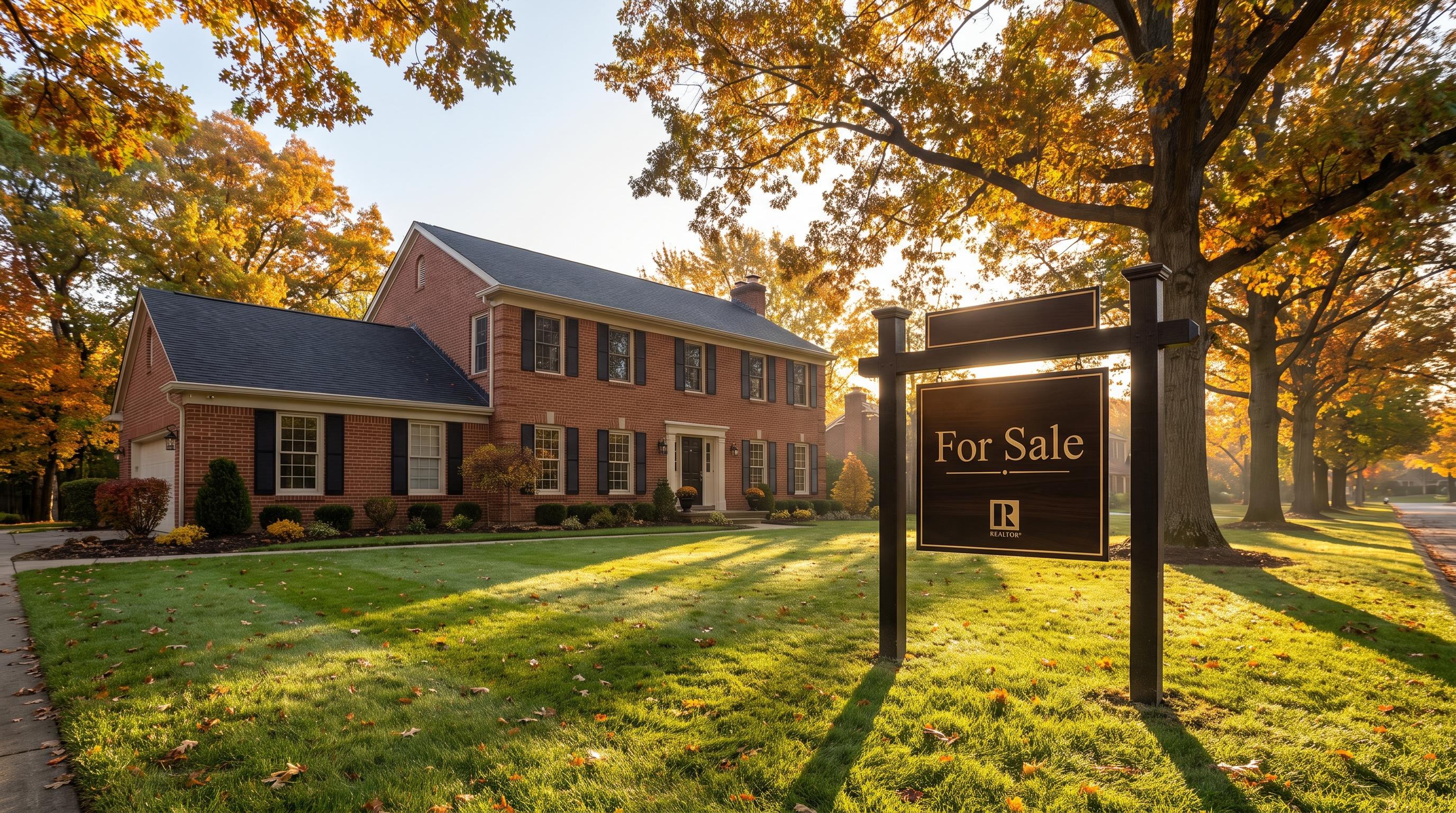
Illustrative new-listing scene; launch and review the property with a documented pricing plan.
Direct answer: Discuss a supported asking-price range using relevant closed sales, current competition and available pending-listing information. Account for property differences and your timeline. Ask the agent to explain assumptions and a plan for reviewing feedback; no fixed percentage from an unknowable exact market value guarantees the result.
Pro Tip
Check how the actual search portals and saved-search criteria handle price limits. For example, a $452,000 listing may fall outside matched results with a strict $450,000 maximum. Sites and filters differ; there is no universal $25,000 increment or rounding rule. Consider likely search boundaries alongside supported value rather than choosing a price ending alone.
Want a supported price range and an explanation of the assumptions? I’ll prepare a free, no-obligation CMA for your Oakland County home.
Call or Text 248-790-5594How a Comparative Market Analysis Actually Works
NAR’s consumer pricing guide describes a CMA as an estimate using recently sold, under-contract and active properties, with size, location, amenities, condition and current market conditions informing the asking-price discussion. Distinguish asking prices from closed sale prices; a pending listing does not by itself reveal its eventual closing price.
For appraisal context, Fannie Mae’s comparable-sales guidance favors the most appropriate comparables, which may include older sales or competing areas when explained. Its adjustment guidance calls for market-supported analysis of differences, concessions and timing. These are appraisal policies, not a mandatory three-to-six-month cutoff for every CMA. Ask why each sale is comparable and how its differences affect the estimate. A CMA and an automated estimate have different methods and limitations; neither guarantees a future offer.
Illustrative Example
This is a composite scenario, not a real transaction. Picture two nearly identical colonials on the same Farmington Hills street, both around 2,400 square feet. One lists at $489,000, right in line with three recent closed comps. It gets eight showings in the first week and an accepted offer at $495,000 within twelve days. The other lists at $525,000 because the seller wanted "room to negotiate." It sits for 47 days, gets one lowball offer, and eventually closes at $478,000 after two price reductions and a market that had cooled by the time the seller adjusted. These invented outcomes illustrate possible tradeoffs; they do not isolate the effect of the opening price or establish a predictable penalty. Timing, market changes, terms and property differences can affect actual outcomes.
Pricing Luxury and Waterfront Homes: A Different Playbook
When genuinely comparable sales are limited, an analysis may need a broader time period or competing market area, with explained differences. This can affect a distinctive subdivision home as well as a luxury or waterfront property; do not assume only three or four suitable sales exist countywide. Compare frontage, condition, location and documented rights or restrictions rather than substituting an exclusivity label for market evidence.
For waterfront property, confirm what access, dock use or other rights are actually conveyed and what restrictions or approvals apply. Review deeds, plats, association documents and relevant records with appropriate professionals before assigning a price premium.
Where Michigan’s Seller Disclosure Act applies, the required statement must be delivered before the seller executes a binding purchase agreement in an ordinary sale. The Act has specified exceptions, and late delivery can create statutory termination rights; “before closing” is not a complete description of the timing rule. Identify the applicable disclosure obligations and condition issues before signing, with legal advice as needed.
Oakland County’s assessment explanation distinguishes assessed, state-equalized and taxable values. These records can help verify property details, but taxable value is not a current sale-price estimate or your home equity.
Tom's Honest Take
Every seller wants to test a higher number "just to see." I get it. It's your equity and your decision. But I've sat across the table from enough sellers after 60 days on market to know how that story usually ends. It's almost never at the number they wanted to test. Agents who tell you what you want to hear on pricing are optimizing for winning the listing appointment, not for what happens to your equity two months later.
My job is to show you the comps, tell you where I think the real ceiling is, and let you make an informed call. If you want to test a slightly higher number with a real plan for when and how we adjust if it doesn't move, I'll build that plan with you. What I won't do is let you find out the hard way with no strategy behind it.
Before You Set the Asking Price
- Review the most relevant sales and current competition, with explained adjustments.
- Agree on a price range, selling goals and a buyer-response review plan.
- Confirm condition, property rights and applicable disclosure requirements.
Factual review: November 1, 2026. Primary references: NAR pricing guide, Fannie Mae comparables, market-supported adjustments, Michigan disclosure delivery, exceptions, and Oakland assessment definitions.
Key Takeaways
A CMA should show relevant sales, competition, property details and the reasoning behind the suggested range.
Track buyer response from launch and review price, presentation and access against actual competing properties.
Check actual search-price limits; portal filtering is not governed by a universal $25,000 rounding rule.
When comparable sales are scarce, explain any broader search and the market-supported treatment of unique features and property rights.
Check disclosure applicability and delivery requirements before signing; use assessment records for their intended purpose.
Direct answer: Ask the agent for relevant local comparable data, an explanation of adjustments and a plan for revisiting price as evidence changes. Discuss services, fees and a written listing agreement, and verify claims about experience or results.
Thinking About Listing in Oakland County?
Request a free, no-pressure CMA and an explanation of the supported price range, relevant property details and current competition.
Call or Text 248-790-559424 Years Local Experience | 700+ Homes Closed | Top 1% Oakland County | ABR · SRES · PSA · SFR · RSPS
Frequently Asked Questions
How do I find out what my Oakland County home is worth?
A local CMA or an appraisal can inform a value estimate, with different purposes and methods. Review relevant sales, active competition, property condition and the estimate’s date; neither method guarantees the eventual buyer’s price.
What happens if I price my home too high?
An asking price above what comparable evidence supports may limit interest or require revision. Review actual activity, condition, marketing and access rather than assuming a fixed two-week cutoff or a predictable final-price penalty.
Is it ever smart to price below market value?
A competitive asking price can attract attention, but multiple offers and a higher final price are not assured. Discuss the risks, minimum acceptable terms, competing listings and your timeline before choosing the strategy.
How is pricing different for a luxury home in Farmington Hills?
A distinctive property may need a wider search for appropriate comparisons and a careful review of features, condition and documented rights. The availability of comparable sales and buyers varies; scarcity is not automatic for every luxury or waterfront listing.
When should Michigan’s required seller disclosure be delivered?
Where the Act applies to an ordinary sale, the required statement is due before the seller executes a binding purchase agreement. Exceptions and late-delivery rules matter. Review disclosure obligations and condition issues before signing rather than treating closing as the sole deadline.
How long does it take to sell a well-priced home in Oakland County?
Timing varies with the property, price, competition, access, condition and financing. Compare relevant current days-on-market data and clarify whether it measures time to contract or closing. There is no guaranteed two-week sale or interest threshold for every well-priced home.
Recommended Reading
What Actually Matters When Choosing a Real Estate Agent in Oakland County · RE/MAX vs. Other Brokerage Models · NAR: Navigating a Listing Price Reduction
Tom Gilliam, REALTOR® & Luxury Estate Marketing Specialist
Tom has closed more than 700 transactions across 24 years serving Oakland County, Michigan, and holds the ABR and SRES designations and PSA, SFR and RSPS certifications. He's a member of the RE/MAX Hall of Fame and Platinum Club, working out of RE/MAX Classic in Farmington Hills. Reach him at 248-790-5594 or Homes2MoveYou.com.
Check out this article next