




By Tom Gilliam, RE/MAX Classic | Program information checked November 24, 2026
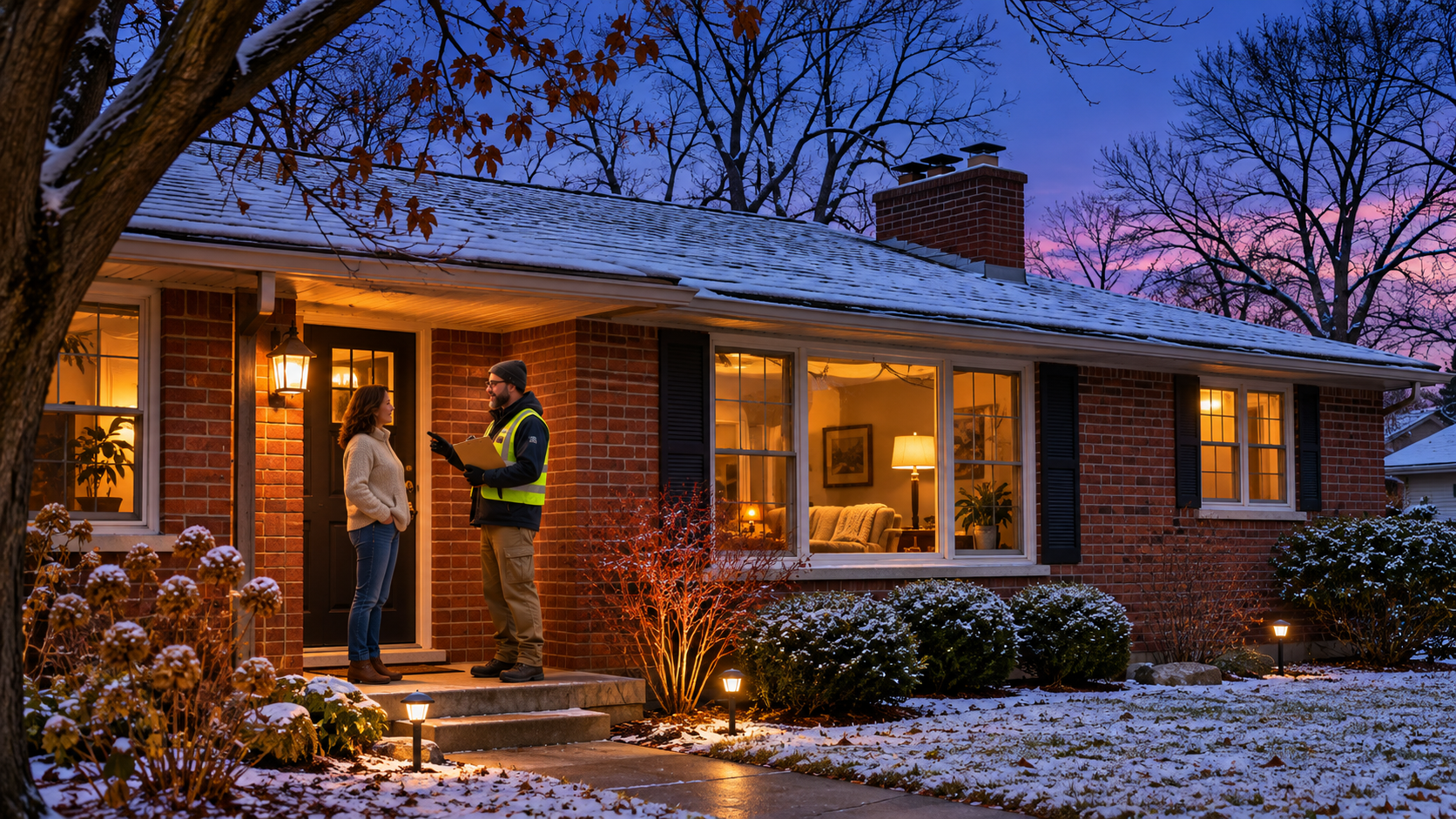
The thermostat says 70, but the back bedroom still feels like 62. The furnace runs through dinner, the floors feel cold by morning, and somebody at the kitchen table finally says, “Maybe we should get the attic looked at.”
Then the estimates arrive. One contractor mentions a DTE rebate. Another says Michigan might help pay for the job. A third offers a price that looks good until you realize it already assumes a rebate you haven’t received.
If that sounds familiar, start with two questions. Does the work qualify at my address? Can the contractor finish it in time? In Oakland County right now, those answers depend on which program you’re looking at. There’s a short window for a DTE insulation bonus, and the state’s income-qualified program is temporarily closed to new applications in the district that serves Oakland County.
TL;DR
- Check DTE first if it supplies your home’s primary heat. DTE lists a $600 standard rebate for qualifying roof and attic insulation covering at least 500 square feet. Its separate $250 Do More bonus requires eligible attic insulation plus another qualifying insulation measure. Finish installation by December 15, 2026, and submit by December 18, 2026 for the bonus. The standard insulation application must arrive within six months of purchase and no later than December 31, 2026. Funds are limited. DTE insulation rebate terms
- Check your MiHER application status before counting on state funding. The Warren district, which includes Oakland County, is paused for new income-qualified Michigan Home Energy Rebates applications. Applications filed before the pause continue to be reviewed under program rules. MiHER Help Center · EGLE district coverage
- Ask for the full price before incentives. Get the scope, expected rebate, filing deadline, and the person responsible for filing in writing. Make sure you know what you’d owe if the rebate falls through.
Tom’s Take
If you’re getting an Oakland County home ready to sell, start with the room buyers are likely to notice feels cold. Ask the contractor to explain what’s causing it and quote the work that addresses it. Compare the full prices before you factor in a rebate. If you go ahead, save the paid invoice and a few before-and-after photos so you can show buyers exactly what you improved.
Which home energy rebate should I check first in Oakland County?
Pull up your utility bill and check what actually heats your home. Seeing DTE on your electric bill is only part of the picture. DTE’s insulation program says it must be the primary provider of your home’s heat. That’s worth confirming before a contractor builds a rebate into your quote, particularly if you have a different gas provider or an unusual heating setup. DTE insulation eligibility
| Your situation | Start here | Ask this first |
|---|---|---|
| DTE provides your primary heat and you’re pricing attic insulation | DTE insulation program | Does the home and proposed attic area qualify? |
| You want to add another insulation measure | DTE Do More bonus | Can this measure qualify and can you finish and file on time? |
| You applied to MiHER before the pause | MiHER dashboard | Is my application active, and what’s my next step? |
| You haven’t applied to MiHER | MiHER status page and your utility | What can I apply for today at my address? |
| You’re pricing a furnace or heat pump | Your utility’s heating and cooling offers | Does this exact model qualify and what has to happen first? |
If you’re comparing quotes for a house in Farmington Hills, Novi, or West Bloomfield, use the service address when you check. A neighbor’s experience can tell you what to ask. Your own utility account, home, and proposed work determine which rules apply. DTE heating and cooling rebates
What does the DTE attic insulation rebate cover?
DTE lists a $600 standard roof and attic insulation rebate for a qualifying installation of at least 500 square feet. DTE also sets rules on home type, how long ago the home was built, and which utility provides the heat. If you’re talking with a contractor about an enclosed addition, a small section over a bedroom, or a condo with a shared attic, ask exactly how much qualifying area the quote covers. The floor area of the house and the attic area included in the job are two different figures. DTE insulation rebate terms
DTE lists a DIY application route and a directory of participating contractors. If you’re hiring someone, ask whether the company participates in the offer you’re using and who will submit the application. Put that answer on the estimate alongside the expected work dates. If you’re filing yourself, ask the installer when you’ll get the final paid invoice and whether it will include enough detail to document the work. DTE contractor and DIY application options
Should I add another project to get the $250 bonus?
Only when the additional work makes sense for the house and your budget. DTE’s bonus is tied to qualifying attic insulation plus a second measure from its published list, which includes options such as qualifying above-grade wall, rim or band joist, basement wall, crawl space wall, or floor insulation. Ask for the attic-only price and the combined price on the same estimate. Then ask what problem the second measure addresses in your home. DTE Do More bonus terms
Suppose the combined job costs $700 more than the attic alone. If you receive a $250 bonus and a hypothetical $50 standard rebate for the added measure, you’re still paying $400 more for the extra work. That could be a fair trade if it helps address a cold room you use every day. The math helps you decide what you’d willingly pay for the improvement.
Ask for two dates on the estimate: when the crew expects to finish and when the application will be submitted. A December 15 finish leaves only a few days until the December 18 bonus deadline. If a crew is booked until the last day, find out whether the office can get you a completed invoice and handle the paperwork in time. The standard rebate has its own deadline, and DTE says funds are limited. DTE installation and filing deadlines
Can I apply for Michigan’s MiHER rebates in Oakland County right now?
For a new income-qualified application, the Warren district is temporarily paused as of November 24, 2026. Oakland County is part of that district. The program says applications submitted before the pause will continue to be reviewed. If you already applied, check your existing application and speak with your program contact before changing the scope or scheduling work. If you haven’t applied, check the official status page before budgeting for MiHER. MiHER Help Center · EGLE district locations
It helps to know what to ask if intake reopens. HOMES is Michigan’s home-efficiency rebate route for projects tied to energy savings. HEAR covers eligible electrification and appliance upgrades for qualifying households. The right route depends on your household, the improvements recommended for your home, and program rules. EGLE says its program requires a comprehensive energy assessment and eligible work must be performed by a MiHER-registered contractor. Michigan’s MiHER program FAQ
If the furnace stops working or you have an urgent problem, make the repair decision on the timeline your home needs. Ask the utility about current equipment offers and ask the installer for the exact model number before committing. An urgent replacement and a planned whole-home efficiency project may call for different decisions. EGLE guidance on urgent upgrades · DTE heating and cooling rebates
What an attic quote should tell you
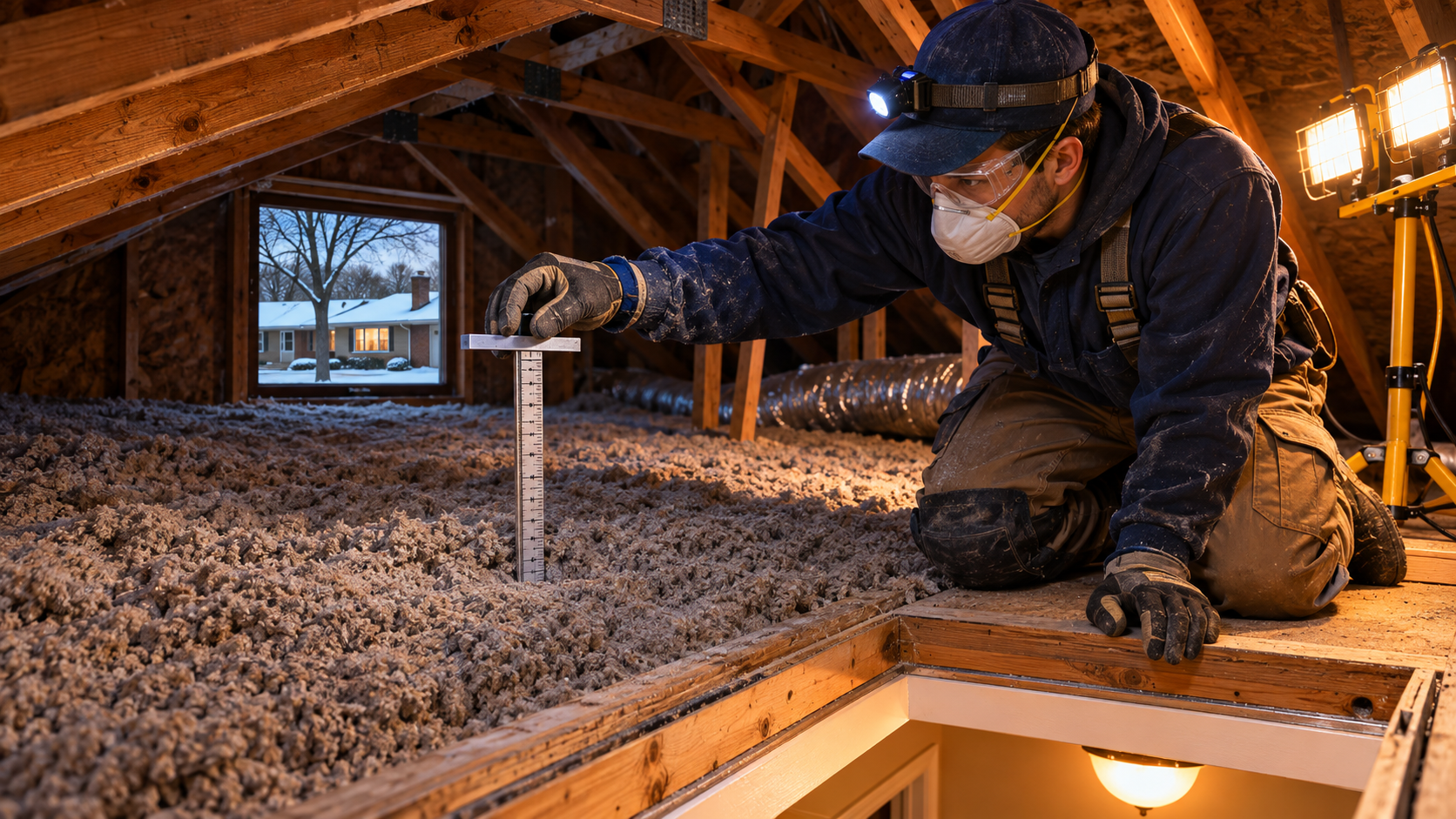
A useful quote describes what the contractor found, what they plan to change, and what they’ll leave alone. Ask them to show you photos of the areas they inspected. If they recommend both air sealing and insulation, have them list each separately. Air sealing addresses places where air moves through gaps. Insulation helps slow the transfer of heat. A description like “attic upgrade” makes it hard to know which work you’re getting.
Ask for the square footage they’ll cover, the material they’ll use, and the target R-value, which describes resistance to heat flow. Ask how they’ll handle attic ventilation, the hatch, and any moisture they find. If there’s a stain on the roof decking or evidence of a leak, ask what needs to be addressed first and whether it’s part of the estimate. Those conversations are much easier while you still have two quotes on the table. DTE insulation guidance
One question often gets a clearer answer than a page of specifications: “When the work is finished, what should I be able to see in your photos or invoice?” If the contractor can walk you through the finished job before you hire them, you’ll have an easier time comparing proposals and confirming what was done.
The before-you-sign checklist
- Confirm the program for your address. Use your actual utility account and service address. Check who provides your primary heat.
- Ask for an itemized scope. Get the areas, measurements, insulation material, planned R-value, air-sealing work, and any exclusions in writing.
- See the total before rebates. Ask for the full contract amount and the separate rebate estimate. Clarify what you owe at each payment milestone.
- Check contractor participation. Verify the contractor with the program you plan to use. DTE participants and MiHER-registered contractors are listed through their respective programs.
- Check the schedule against the rules. Write down the installation and application deadlines. Ask about assessment or approval requirements before starting.
- Agree on who files. Ask who submits each application, who keeps the confirmation number, and who follows up if the program requests more information.
- Ask how credits are handled. Find out whether the rebate is reflected in the amount due or paid separately after review. Ask who covers the difference if it’s denied.
- Save a complete copy. Keep the signed estimate, dated invoice, proof of payment, rebate confirmation, and photos where you can find them next year.
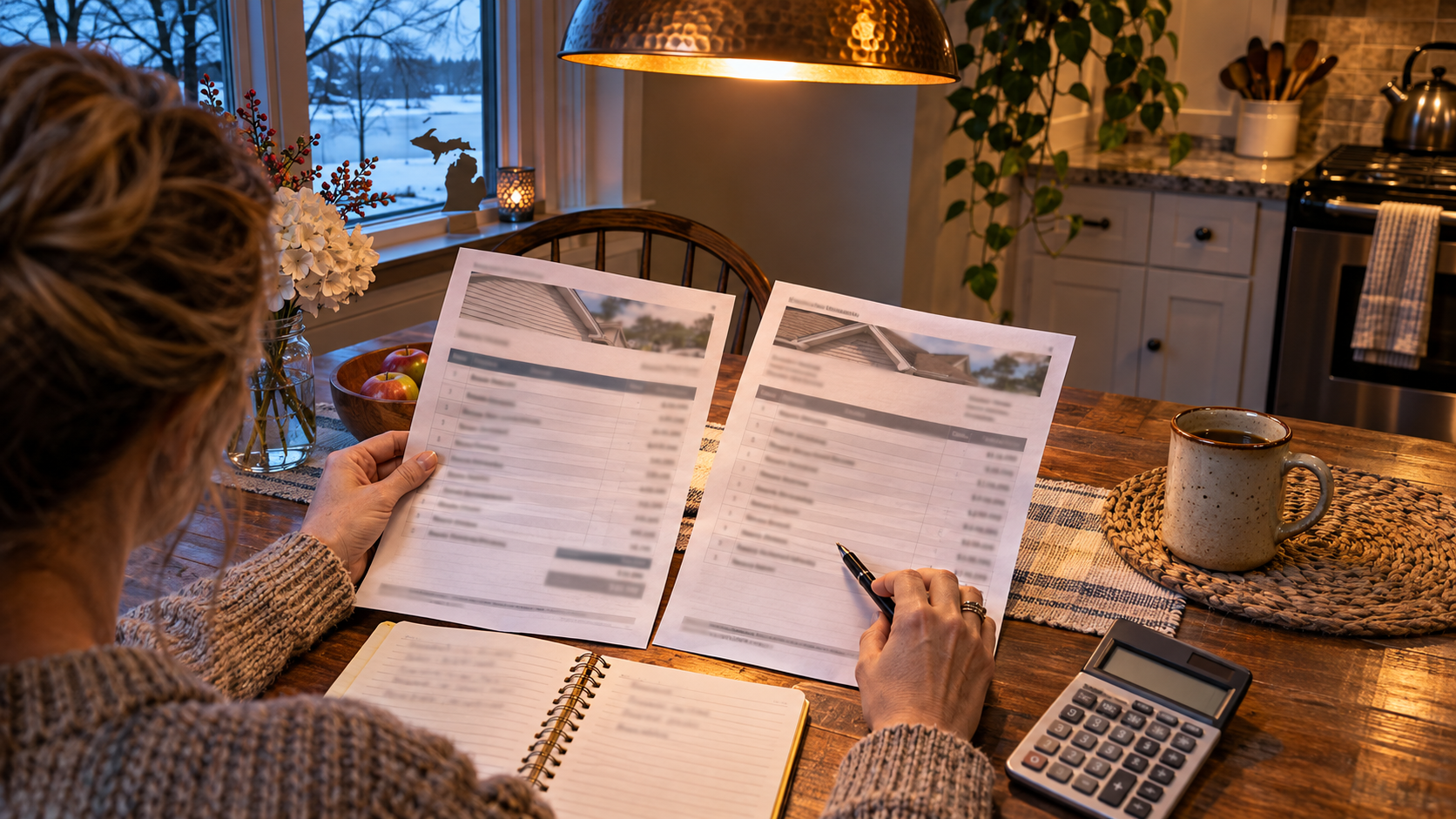
If you’re comparing two bids, put the gross price and scope on the same page first. Then compare what you’d pay under two scenarios: the rebate comes through, or you pay the full amount. The second scenario is especially helpful when the job depends on a tight installation window. DTE application requirements · MiHER contractor and assessment rules
What should I keep if I plan to sell my home?
Keep a short home-improvement folder with the contractor’s name, completion date, paid invoice, areas improved, and photos. If you install equipment, add the model and serial number, warranty terms, and any transfer instructions. If you have a completed energy assessment, keep the report with the rest of the records. Store utility receipts and account details privately, then share only the documents a buyer needs.
Think about the difference between describing a house as “energy efficient” and showing a buyer that the attic was professionally air sealed and insulated in a particular year, with the actual work documented. The second gives the buyer a useful fact and something to ask their inspector about. It also saves you from trying to remember whether the crew did the whole attic or only the section above the bedrooms.
If you’re planning to list next spring and weighing several projects, start with what buyers will actually notice. A cold room, missing maintenance records, or a concern likely to come up during inspection deserves a closer look. Keep the rebate calculation separate from any estimate of resale value. If you’re deciding which repairs to tackle before listing in Farmington Hills or elsewhere in Oakland County, I’m happy to talk it through. Homes2MoveYou seller resources
Frequently asked questions
Can I combine a DTE rebate with MiHER?
Sometimes. EGLE says state and utility incentives can be combined where the applicable programs allow it. HOMES and HEAR cannot both fund the same individual upgrade, and restrictions also apply to other federal rebates or grants for that upgrade. Ask both administrators about your specific line items before treating two rebates as part of your budget. EGLE rules on combining incentives
Does a DTE electric bill qualify me for the insulation rebate?
Check who provides the home’s primary heat. DTE lists primary heat service as a requirement for its insulation rebate, along with conditions on the home and the work. If your account or heating setup is unusual, confirm eligibility with DTE using the service address before signing. DTE insulation eligibility
Can I claim the bonus if my contractor finishes after December 15?
DTE’s published 2026 bonus requires completion by December 15 and submission by December 18. If your installation is scheduled later, ask whether you still qualify for the standard insulation rebate and whether the standard application can be received by December 31. DTE rebate deadlines
What if I already applied for MiHER?
The program says it will continue reviewing applications submitted before the district pause. Check your dashboard or call MiHER at 855-510-7080 for your status and next steps. MiHER Help Center
What’s the simplest thing I can do today?
Pull out your utility bill, find out who supplies your primary heat, and ask for one itemized, full-price quote. If the contractor mentions a rebate, ask them to name the program and write down the dates. You’ll have a much better basis for deciding whether to do the work now or plan it for later.
Tom Gilliam helps buyers and sellers in Farmington Hills and across Oakland County. If you’re getting your home ready to sell and wondering which improvements deserve your time and budget, call 248-790-5594.